Project Context and Decision
Wastewater treatment equipment for small treatment stations spread across a wide service area should be selected from verified project conditions, not from a familiar model name. The central issue is detecting problems early without assuming that screens, pumps, sludge, and instruments maintain themselves. A sound early review records average flow, peak periods, operating schedules, wastewater sources, and the intended discharge or reuse route. This article focuses on remote supervision for distributed plants and explains how owners, engineers, and procurement teams can turn a broad requirement into measurable design, manufacturing, and operating criteria.
During factory planning for remote supervision for distributed plants, A useful review also connects operating data to the event that caused it. Flow, level, pressure, aeration, alarms, sludge wasting, and effluent observations should be recorded on one timeline. This prevents a short disturbance from being treated as a permanent design problem and makes later troubleshooting more disciplined.
Define Flow and Wastewater Characteristics
The design basis should distinguish normal, peak, and abnormal conditions. For small treatment stations spread across a wide service area, the team should examine suspended solids, oil, biodegradability, pH, temperature, cleaning chemicals, and any compounds that may inhibit biological treatment. Sampling location and timing matter because a single composite value can hide short hydraulic or organic shocks. Equalization, source segregation, or pretreatment may be more valuable than simply increasing the nominal size of the downstream package.
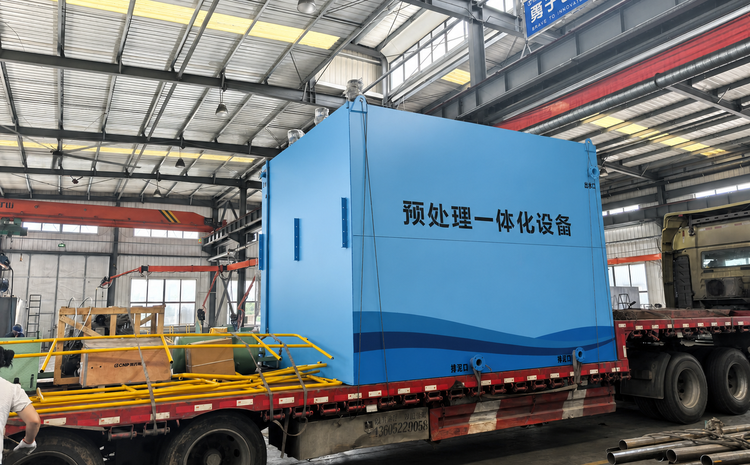
During delivery preparation for remote supervision for distributed plants, The technical agreement should define supply limits, interfaces, controls, spare parts, commissioning duties, and the records required at handover. Purchase price is only one part of lifecycle value. Access to drawings, replacement components, operating guidance, and responsive technical support can materially affect long-term reliability.
Understand the Process Role
The main technical principle is to combine selected process signals, graded alarms, clear permissions, and field work orders. Each unit should have a defined job. Screening and equalization protect later stages; biological treatment converts biodegradable pollutants; clarification, membrane separation, filtration, or disinfection provide polishing when required. More units do not automatically create a stronger system. Hydraulic connections, recycle paths, sludge handling, and control logic must work as one process. Final parameters must be confirmed against actual wastewater and the project design basis.
During design-basis review for remote supervision for distributed plants, Maintainability should be reviewed before fabrication. Operators need safe access to valves, sampling points, pumps, blowers, screens, and sludge withdrawal connections. A compact package that cannot be inspected or cleaned efficiently may create avoidable downtime even when its treatment process is correctly selected.
During site inspection for remote supervision for distributed plants, Maintainability should be reviewed before fabrication. Operators need safe access to valves, sampling points, pumps, blowers, screens, and sludge withdrawal connections. A compact package that cannot be inspected or cleaned efficiently may create avoidable downtime even when its treatment process is correctly selected.
Translate Requirements into Equipment
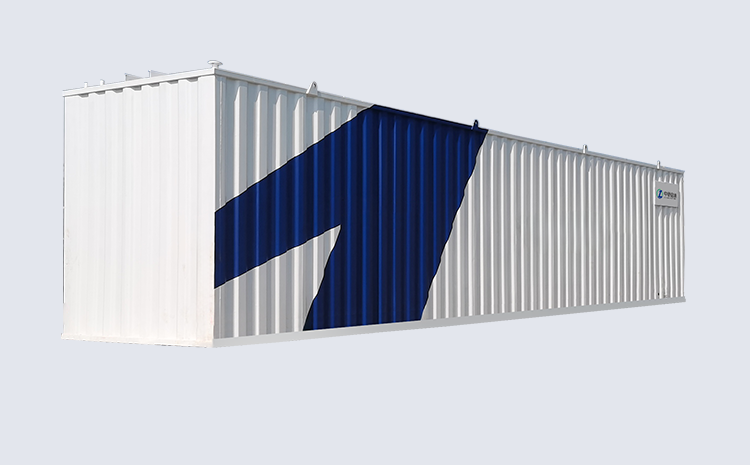
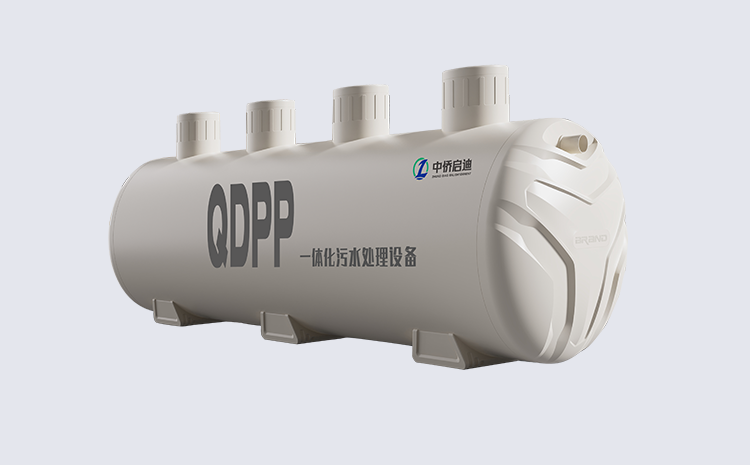
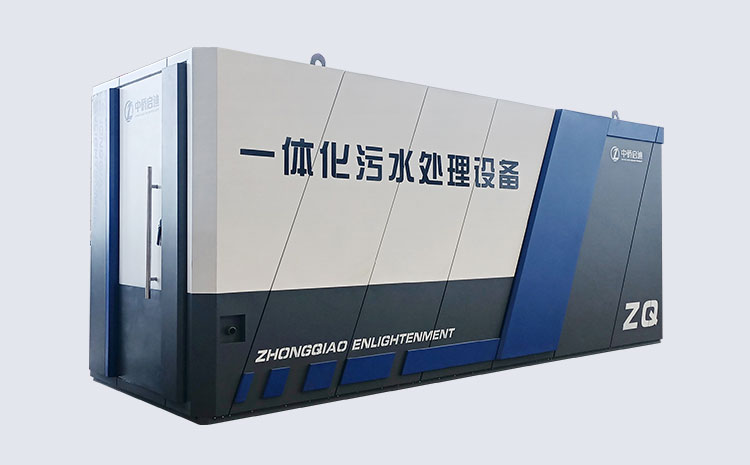
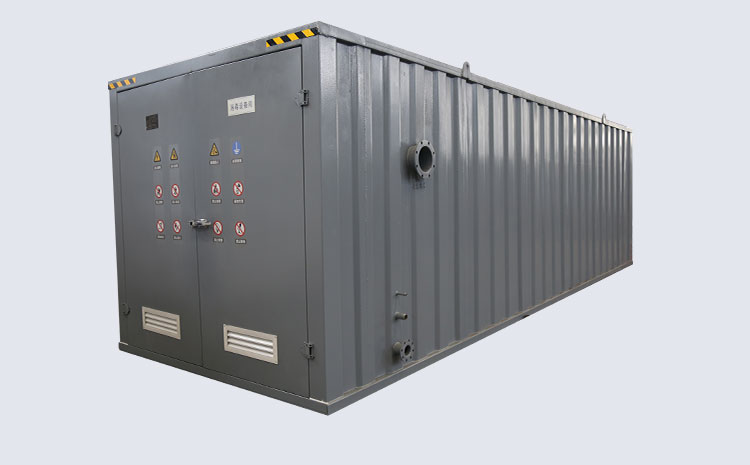
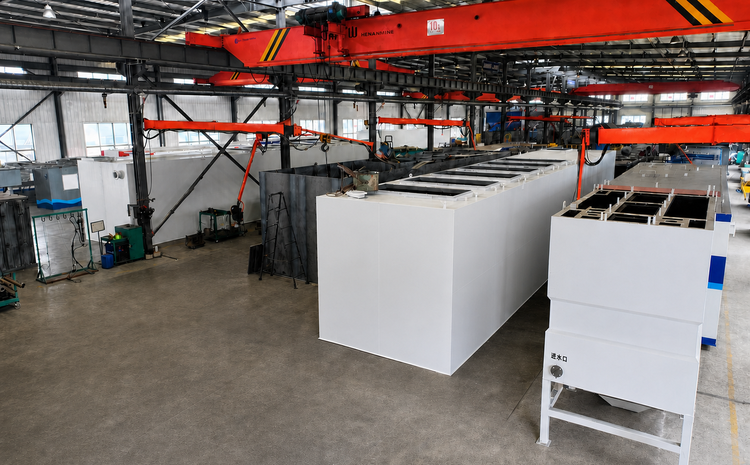
Equipment selection should specifically address signal reliability, local fallback control, communication loss, account security, data retention, and alarm ownership. Effective volume, material compatibility, structural loads, access space, pipe routing, electrical supply, lifting conditions, and future expansion all influence the final configuration. Carbon steel, PP, containerized, buried, membrane, and modular equipment each have useful applications, but none is universally suitable. The selected form should match corrosion risk, temperature, transport constraints, installation method, and the operator's maintenance capacity.
During process review for remote supervision for distributed plants, Automation should support process decisions instead of merely increasing the number of instruments. Each signal should have a defined operating purpose, alarm response, and fallback procedure. Manual control, safe shutdown, and recovery after power loss should remain clear to the site team.
Commissioning and Routine Operation
A practical commissioning plan should cover testing alarms, network loss, manual control, and escalation procedures with the actual site team. The sequence normally moves from foundation and interface inspection to individual equipment tests, clean-water circulation, process startup, and controlled loading. Operators should trend flow, level, aeration or pressure, recycle, sludge wasting, and alarm history. Changes should be made one step at a time with enough observation time to separate real process recovery from temporary variation.
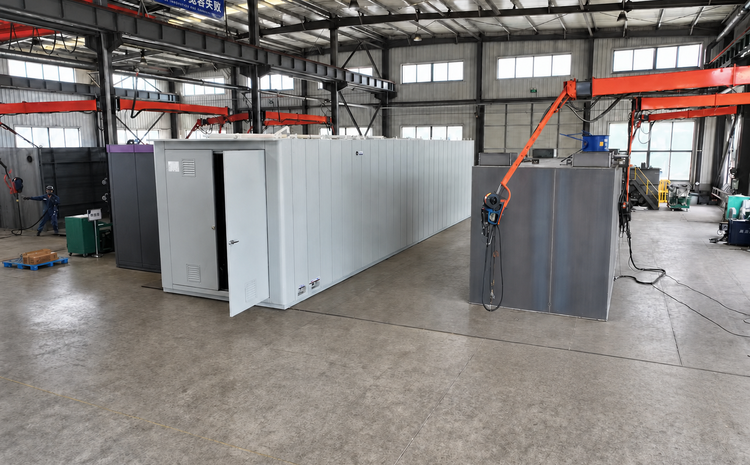
During equipment selection for remote supervision for distributed plants, Wastewater with high oil, salinity, extreme pH, toxic compounds, or poorly biodegradable organics should not be treated as ordinary domestic sewage. Representative testing, pretreatment trials, or a pilot study may be required before the biological and polishing stages are finalized.
Procurement Boundary and Conclusion
Long-term performance depends on inspection, cleaning, calibration, lubrication, sludge management, and planned spare parts. Remote monitoring should strengthen field maintenance and accountability rather than replace them. ZhongQiao Enlightenment can coordinate process, equipment, controls, and commissioning discussions for project-specific packages, while the final solution must remain tied to influent testing, site conditions, operator capability, and local approval requirements. The most defensible wastewater treatment equipment decision is therefore one supported by clear boundaries, traceable records, and a maintainable operating plan.
During interface coordination for remote supervision for distributed plants, Training is most effective when the actual operators perform a complete start, stop, inspection, cleaning, and alarm-response cycle. A short field checklist linked to the equipment manual helps convert commissioning knowledge into repeatable daily practice.