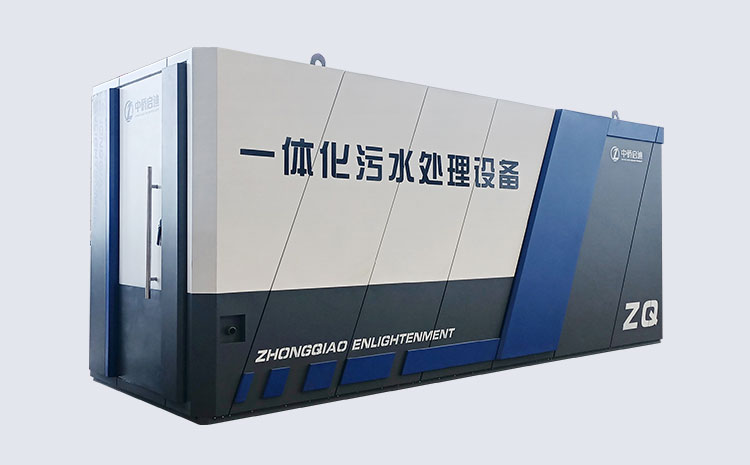
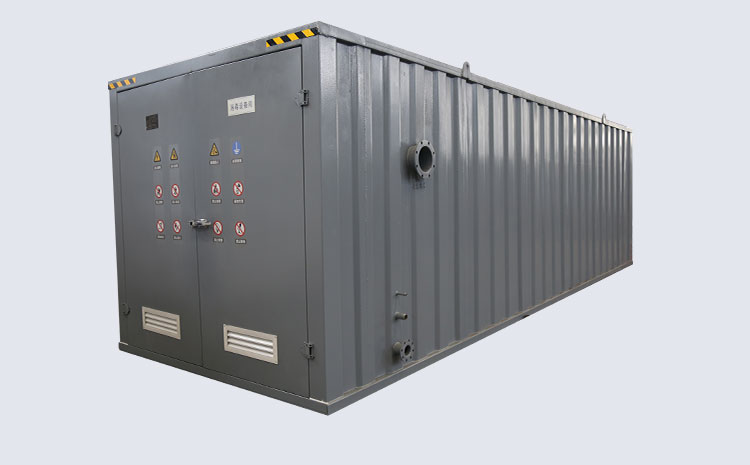
Integrated Domestic Sewage Treatment Equipment for Export to the Philippines
Carbon Steel Flat-Sheet Type, 100 m³/d, AO + MBR Process
1. Equipment Overview
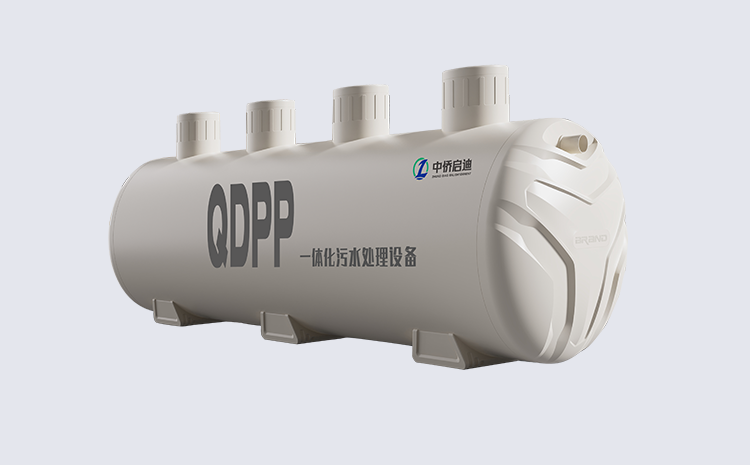
This set of integrated domestic sewage treatment equipment is specially designed and manufactured for the Philippine market, with a treatment capacity of 100 m³/d (approximately 4.17 m³/h). The equipment adopts a carbon steel flat‑sheet integrated structure and the advanced combined process of AO (Anoxic‑Oxic) + MBR (Membrane Bioreactor), which realizes high‑efficiency removal of COD, BOD₅, ammonia nitrogen, total nitrogen, total phosphorus and suspended solids in domestic sewage.
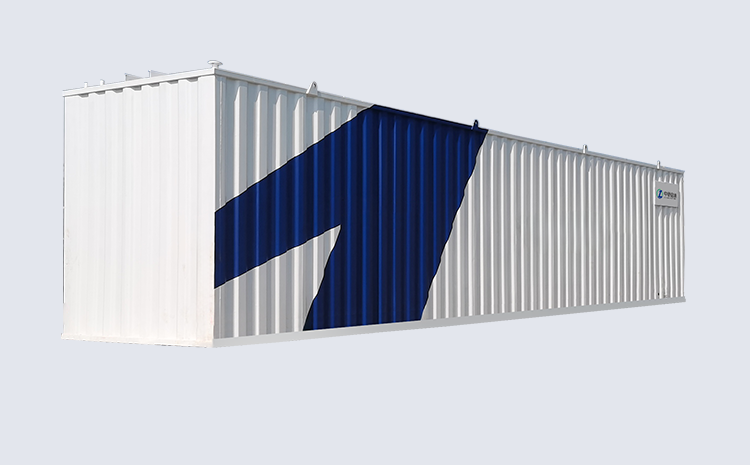
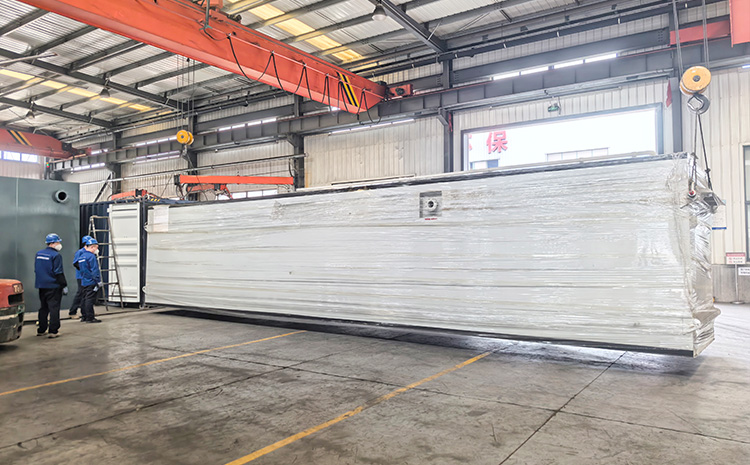
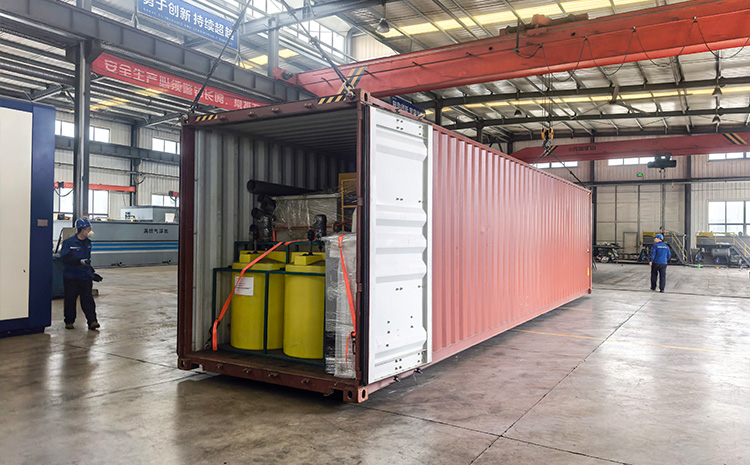
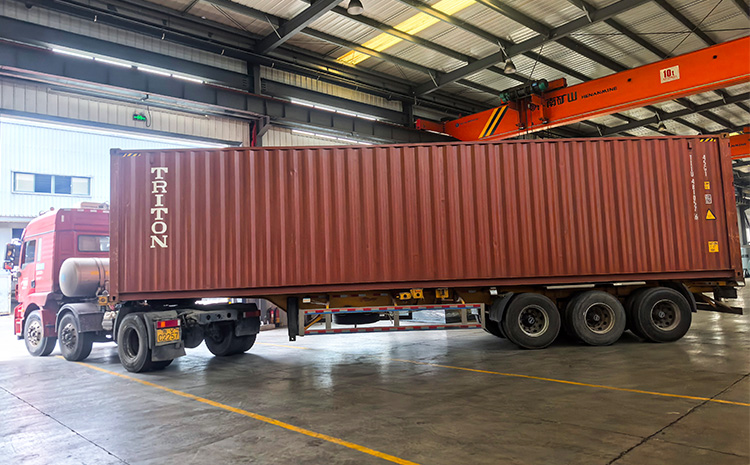
The whole system is factory‑assembled, skid‑mounted and container‑transportable, suitable for long‑distance sea transportation and rapid on‑site installation. It is widely used in residential quarters, hotels, resorts, schools, hospitals, industrial parks, villages, remote islands and construction sites in the Philippines. The effluent quality stably meets the Philippine national environmental standards (PNS) and can be directly discharged or reused for greening, road cleaning, toilet flushing and other purposes.
2. Design Parameters & Structural Features
2.1 Main Technical Parameters
Treatment capacity: 100 m³ per day
Operation mode: fully automatic PLC control
Power supply: 220V / 60Hz (Philippine standard)
Equipment material: carbon steel Q235‑B with heavy‑duty anti‑corrosion treatment
Anti‑corrosion system: internal two‑cloth three‑oil epoxy coal tar pitch, external epoxy zinc‑rich primer + polyurethane topcoat
Service life: more than 15 years under tropical climate
Installation type: above‑ground or semi‑buried
Dimensions: approximately 12000 mm × 3000 mm × 3200 mm, suitable for 40‑foot container shipping
Energy consumption: about 0.8 kWh per cubic meter of treated water
2.2 Structural Advantages
The equipment adopts a carbon steel flat‑sheet integrated structure, which has high structural strength, good seismic performance and strong resistance to marine salt spray, high temperature and high humidity in the Philippines. Compared with glass fiber reinforced plastic (FRP) and stainless steel, carbon steel has better cost performance and structural stability, and is not easy to deform or crack during long‑distance transportation. The overall skid‑mounted design greatly reduces civil engineering investment and installation period, and can be put into use within 2–3 days after arriving at the site.
3. Process Flow: AO + MBR
The equipment adopts an integrated process flow:
Pretreatment → Regulation Tank → Anoxic Tank (A) → Aerobic Tank (O) → MBR Membrane Tank → Disinfection → Effluent Discharge / Reuse
3.1 Regulation Tank
Collects raw domestic sewage to balance water quantity and quality fluctuations, ensuring stable subsequent biochemical treatment. Equipped with submersible sewage pumps for automatic lifting.
3.2 Anoxic Tank (A Stage)
Maintains dissolved oxygen at 0.2–0.5 mg/L. Denitrifying bacteria reduce nitrate nitrogen to nitrogen gas, achieving effective nitrogen removal. Part of organic pollutants are degraded, and phosphorus is released from phosphorus‑accumulating organisms, laying a foundation for subsequent phosphorus removal.
3.3 Aerobic Tank (O Stage)
Maintains dissolved oxygen at 2–4 mg/L. Aerobic microorganisms oxidize and decompose organic matter, and nitrifying bacteria convert ammonia nitrogen into nitrate nitrogen. High‑efficiency microporous aerators ensure high oxygen utilization efficiency, low energy consumption and stable operation.
3.4 MBR Membrane Tank (Core Unit)
Flat‑sheet PVDF membranes with a pore size of 0.1 μm replace the traditional secondary sedimentation tank, achieving complete solid‑liquid separation. The membrane intercepts almost all suspended solids, bacteria, colloid and high‑concentration activated sludge, maintaining a sludge concentration (MLSS) of 8000–12000 mg/L.
High sludge age enhances nitrogen and phosphorus removal
Significantly reduces excess sludge production by more than 60%
Intermittent suction operation (8 min on / 2 min off) effectively controls membrane fouling
Effluent SS is close to zero, with excellent and stable water quality
3.5 Disinfection Unit
Ultraviolet (UV) or sodium hypochlorite disinfection is adopted to kill coliform bacteria and pathogenic microorganisms, ensuring the effluent meets hygienic safety standards for discharge or reuse.
4. Influent and Effluent Water Quality
The equipment is designed according to typical domestic sewage characteristics in the Philippines. The main water quality indicators are as follows:
Parameter Influent (mg/L) Effluent (mg/L) Philippine PNS Standard Removal Rate
COD ≤ 350 ≤ 30 ≤ 50 ≥ 90%
BOD₅ ≤ 180 ≤ 5 ≤ 10 ≥ 97%
SS ≤ 200 ≤ 5 ≤ 10 ≥ 97%
Ammonia Nitrogen ≤ 35 ≤ 1 ≤ 5 ≥ 97%
Total Nitrogen ≤ 45 ≤ 10 ≤ 15 ≥ 78%
Total Phosphorus ≤ 5 ≤ 0.5 ≤ 1 ≥ 90%
Coliform > 10⁴ CFU/L Not detected ≤ 100 CFU/L 100%
The effluent can meet Class A discharge standards and can be reused for landscape greening, road spraying, toilet flushing and other non‑potable purposes.
5. Advantages for Philippine Market
5.1 Adaptation to Tropical & Coastal Climate
The heavy‑duty anti‑corrosion carbon steel structure can resist high temperature, high humidity and salt spray corrosion in the Philippines, ensuring long‑term stable operation in coastal and island areas.
5.2 AO + MBR High Treatment Efficiency
Compared with traditional processes, the MBR system reduces land occupation by about 50%, produces less excess sludge, and has stronger impact load resistance. It is especially suitable for areas with limited land and insufficient professional operation and maintenance personnel.
5.3 Fully Automatic & Easy Operation
Equipped with a PLC control system with English interface, realizing automatic operation of water inlet, aeration, membrane suction, backwashing, sludge discharge and fault alarm. It can realize unattended operation and reduce labor costs.
5.4 Convenient Transportation & Rapid Installation
The whole equipment is skid‑mounted and can be transported by standard 40‑foot container directly to Manila, Cebu and other Philippine ports. On‑site installation only requires foundation leveling, water and electricity connection, greatly shortening the construction period.
5.5 Compliance with Philippine Customs & Standards
The equipment can provide complete quality inspection reports, test certificates and technical documents, support customs clearance procedures, and can apply for FORM E certificate to enjoy ASEAN tariff preferences.
6. Application Scenarios
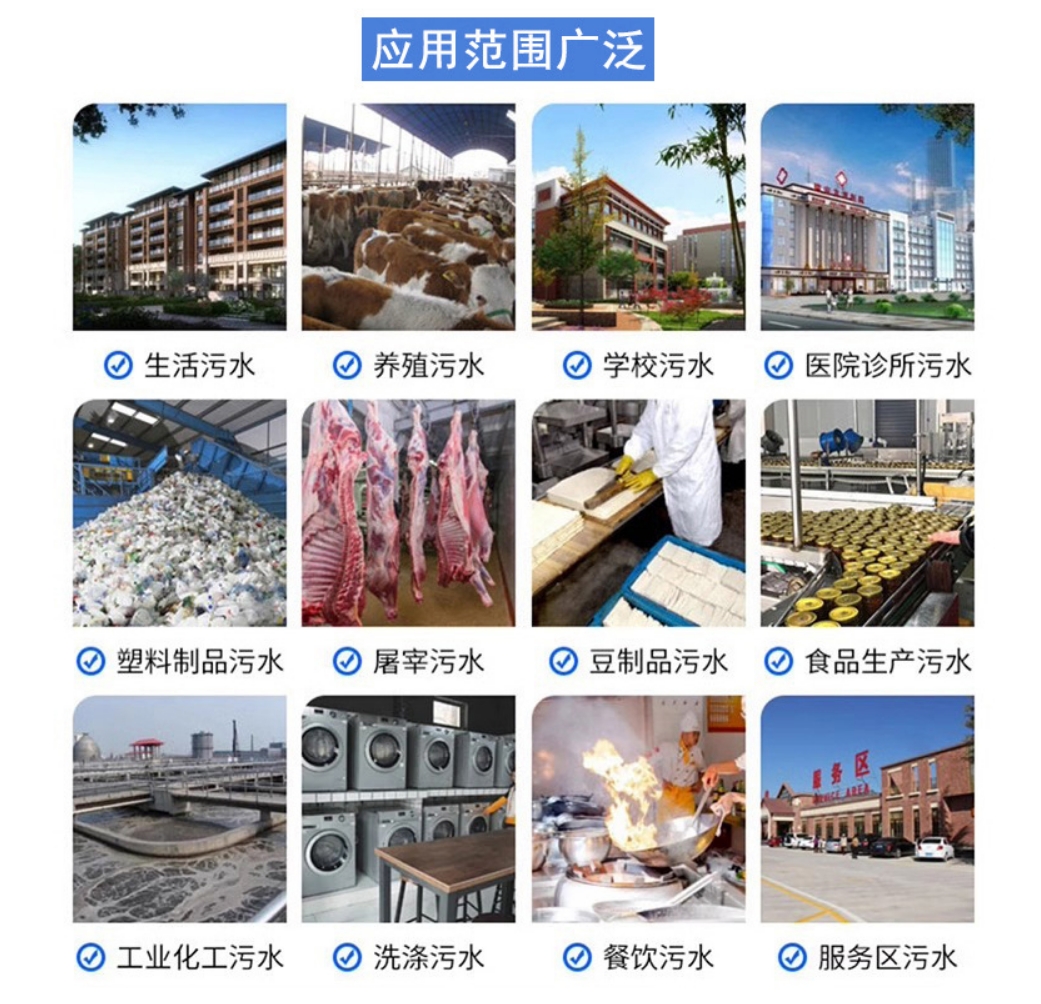
Residential buildings, apartments and villages
Hotels, resorts and tourist facilities
Schools, hospitals, government and office buildings
Industrial parks and construction camps
Remote islands, coastal communities and areas without municipal pipe networks
Upgrading and reconstruction of old sewage treatment stations
7. Export & After‑Sales Service
We provide a full‑range of export services for Philippine customers:
Preliminary water quality analysis, scheme design and technical communication
Professional manufacturing, factory testing and container loading
Customs declaration, shipping and document support (commercial invoice, packing list, certificate of origin, etc.)
On‑site installation guidance, commissioning and operator training
12‑month warranty and long‑term spare parts supply
Technical support and after‑sales response within 24–48 hours
8. Conclusion
This 100 m³/d carbon steel flat‑sheet integrated sewage treatment equipment with AO + MBR process is a highly reliable, energy‑saving and environmentally friendly solution customized for the Philippine market. It has the characteristics of compact structure, stable effluent quality, strong corrosion resistance, convenient transportation and simple operation and maintenance. It can effectively solve the domestic sewage treatment needs of cities, towns and remote areas in the Philippines, help improve the ecological environment and promote the recycling of water resources. It is an ideal choice for sewage treatment projects exported to the Philippines.