With the continuous tightening of water pollutant discharge standards, upgrading and retrofitting of sewage treatment plants has become a core theme of current industry development. Among the various technological routes for upgrading and retrofitting, the MBR (Membrane Bioreactor) process has become one of the preferred solutions for upgrading projects across regions, thanks to its outstanding advantages such as excellent effluent quality, small footprint, and high degree of automation. Shandong Zhongqiao Enlightenment Environmental Protection Equipment Co., Ltd. has accumulated rich experience in the engineering application of MBR membrane processes, providing efficient and reliable upgrading solutions for numerous projects.
The MBR membrane process is an innovative water treatment technology that combines membrane separation technology with the conventional activated sludge process. Its core principle is to utilize the efficient separation function of membrane modules to replace the sludge-water separation role of traditional secondary clarifiers, completely retaining the microorganisms in the activated sludge mixture within the biochemical reaction tank, thereby achieving efficient solid-liquid separation. Since the pore size of membrane modules typically ranges from 0.01 to 0.4 micrometers, they can effectively intercept suspended solids, colloidal substances, and some macromolecular organic compounds, enabling the effluent quality of the MBR process to be far superior to that of conventional activated sludge processes. The effluent suspended solids concentration can be stably maintained below 5 mg/L, and turbidity below 0.5 NTU, directly meeting reclaimed water quality requirements.
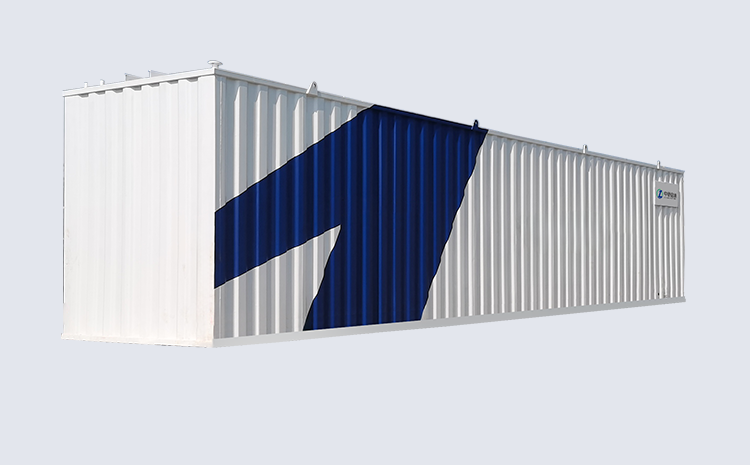
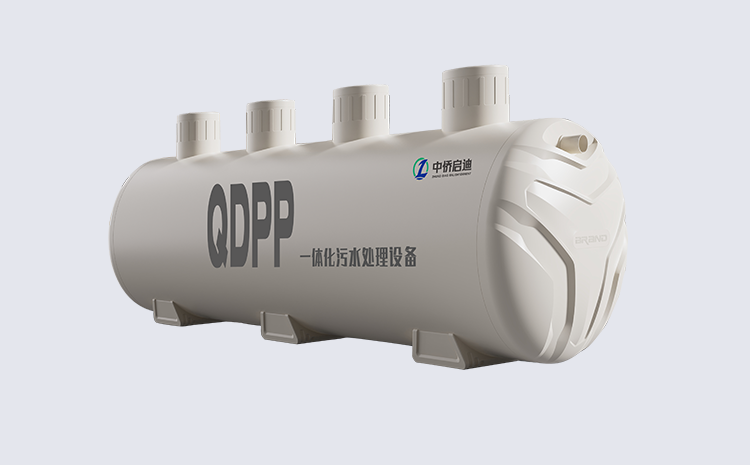
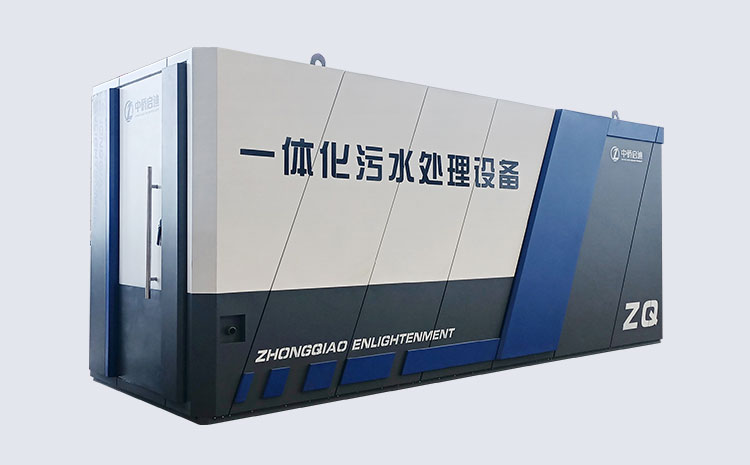
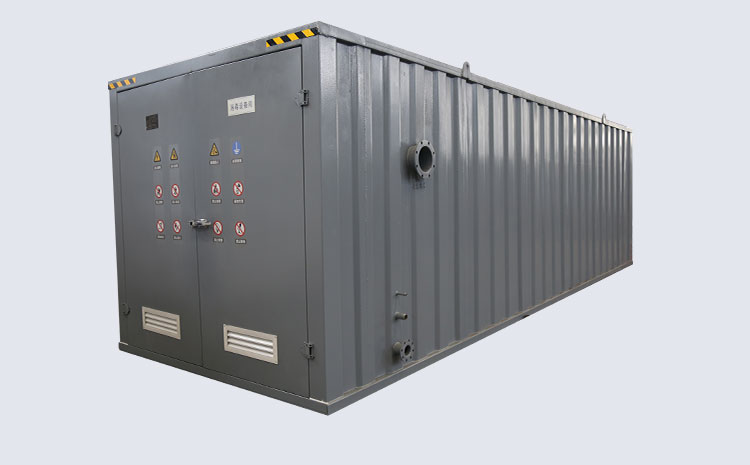
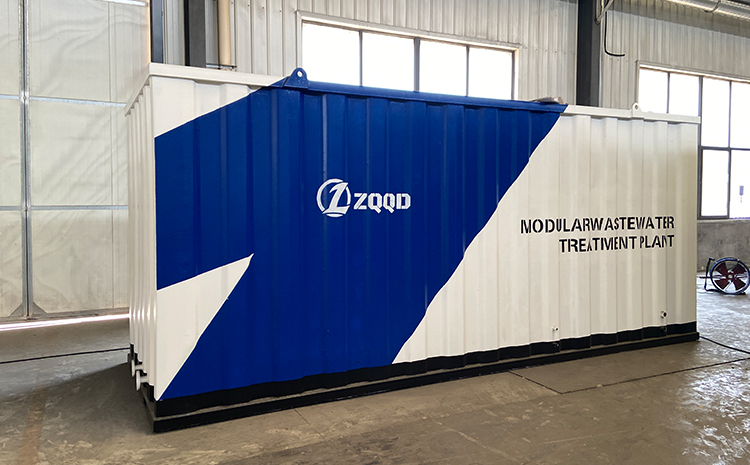
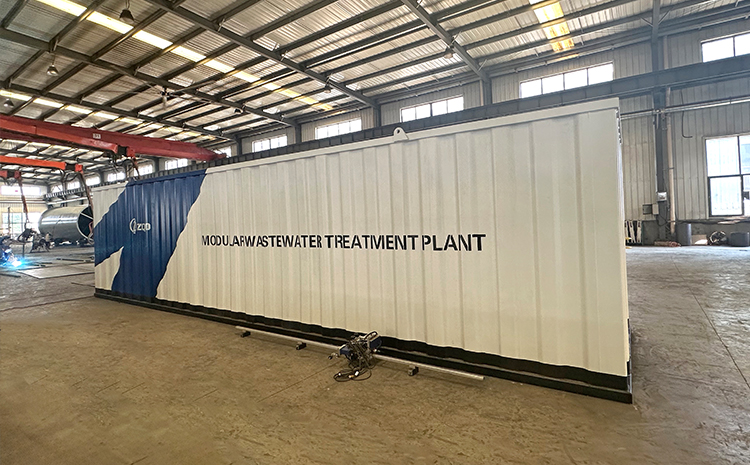
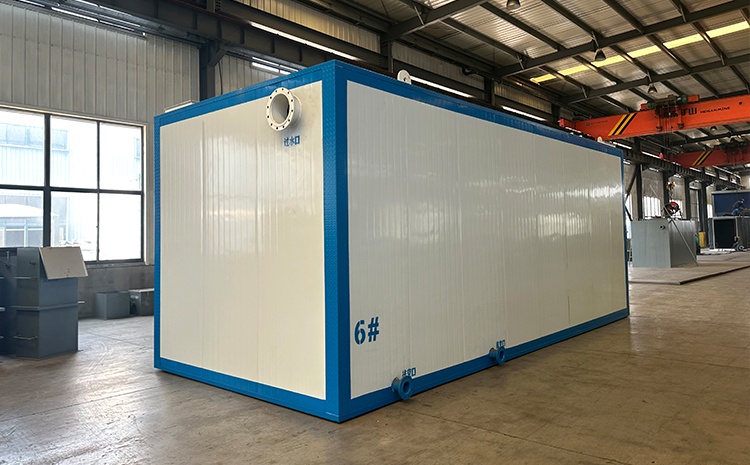
In upgrading and retrofitting projects, the promotion and application of the MBR membrane process require focused attention on the following key pathways. The first is the systematic design of the process scheme. Unlike new construction projects, upgrading projects often need to be carried out within limited site conditions and based on existing structures. Therefore, the process scheme design must fully consider on-site constraints. Zhongqiao Enlightenment's engineering team conducts a comprehensive assessment of the existing sewage treatment plant in the early project stage, including treatment capacity, influent quality fluctuation range, availability of existing structures, and discharge standard requirements, determining the optimal retrofitting route through multi-scheme comparison. For medium-sized projects with a treatment capacity of 50 to 500 cubic meters per day, an integrated MBR equipment form is typically adopted, integrating biochemical treatment units and membrane separation units within the same equipment for overall replacement or addition.
The second is the selection and configuration of membrane modules. MBR membrane modules can be categorized by material into PVDF (polyvinylidene fluoride) membranes and PTFE (polytetrafluoroethylene) membranes, and by configuration into hollow fiber membranes and flat sheet membranes. When selecting membrane modules, Zhongqiao Enlightenment makes targeted matching based on the influent quality characteristics of the project. For domestic sewage projects, PVDF hollow fiber membrane modules are typically selected, offering advantages of high flux and low cost. For industrial wastewater projects containing substantial grease or fibrous impurities, flat sheet membrane modules are preferred to effectively reduce membrane fouling risks. In terms of membrane area configuration, Zhongqiao Enlightenment adopts a dynamic flux design method, reserving a flux margin of 15% to 20% based on actual influent fluctuation conditions, ensuring stable operation of the membrane system even under peak loads.
The third is the optimization and improvement of pretreatment processes. The MBR membrane process has high requirements for influent pretreatment. If the influent contains large particle impurities, hair, fibrous materials, and other substances, it can easily cause entanglement and clogging of membrane modules, seriously affecting membrane flux and service life. In upgrading projects, Zhongqiao Enlightenment typically installs mechanical screens (3-5 mm bar spacing), ultra-fine screens (1-2 mm bar spacing), and equalization tanks as pretreatment units before the MBR system, effectively intercepting various impurities and ensuring long-term stable operation of membrane modules. For influent containing grease, a dissolved air flotation pretreatment process is also added to control oil content below 10 mg/L.
The fourth is the establishment of an operation and maintenance system. Although the MBR membrane process features a high degree of automation, daily operation and maintenance management remains critically important. Zhongqiao Enlightenment equips each project with an intelligent PLC control system, enabling functions such as automatic aeration adjustment, online membrane cleaning, and automatic sludge concentration control. Meanwhile, the company provides comprehensive operation and maintenance training services, helping clients establish standardized operating procedures, including key maintenance aspects such as regular online chemical cleaning (every 7-15 days), offline chemical cleaning (every 6-12 months), and membrane integrity testing, ensuring that the design service life of the membrane system reaches 5-8 years.
In practical engineering applications, Zhongqiao Enlightenment has successfully implemented multiple MBR membrane process upgrading projects. Taking a 10,000-cubic-meter sewage treatment plant retrofitting project in Sichuan as an example, the project originally used a conventional A2O process with effluent meeting Class 1B standards, and the retrofitting requirement was to upgrade to Class 1A standards. Zhongqiao Enlightenment added an MBR membrane system based on the existing biochemical tanks, with a design treatment capacity of 10,000 cubic meters per day. The membrane modules adopted PVDF hollow fiber membranes with a design flux of 15 L/m²·h. After the retrofitting, the effluent COD was stably below 30 mg/L, ammonia nitrogen below 1.5 mg/L, and total phosphorus below 0.3 mg/L, fully meeting the Class 1A discharge standard, with some indicators approaching the Class IV surface water standard.
Looking ahead, with the continuous advancement of membrane material technology and the gradual reduction of manufacturing costs, the application prospects of the MBR membrane process in upgrading and retrofitting will become even broader. Zhongqiao Enlightenment will continue to deepen its technological innovation and engineering practice in the MBR membrane process, continuously optimizing membrane module selection, process design, and operation and maintenance management schemes, providing more sewage treatment plant upgrading projects with efficient, stable, and economical integrated solutions, and contributing to the high-quality development of the industry.