Start with Site Conditions
Domestic Wastewater Equipment for the US is presented as a planning scenario for domestic wastewater in United States, not as a claim about a completed local project. A useful specification starts with the wastewater sources, discharge or reuse objective, available footprint, utilities, staffing, and the party responsible for sludge management.
When a title states the recorded occupancy-based flow, the proposal must define whether that number is average daily flow, maximum daily flow, or nominal package capacity. Equalization and transfer pumping depend on hourly discharge patterns, so these terms should never be used interchangeably.
Performance verification should use an agreed sampling point, stable operating period, and documented influent conditions. A single sample cannot describe long-term operation, and no supplier should promise compliance without linking the claim to the approved design basis and operating responsibilities. This item should be checked against the stated conditions for Domestic Wastewater Equipment for the US in United States.
Measure the Real Load
Domestic wastewater usually follows morning and evening peaks. Kitchens, laundries, showers, and toilets create different solids and grease loads, while occupancy changes can leave a packaged plant underloaded for part of the year. Representative samples should cover the operating periods that create the highest organic, solids, oil, or chemical load rather than only a convenient daytime sample. For Domestic Wastewater Equipment for the US, the sampling plan should be part of the documented design basis.
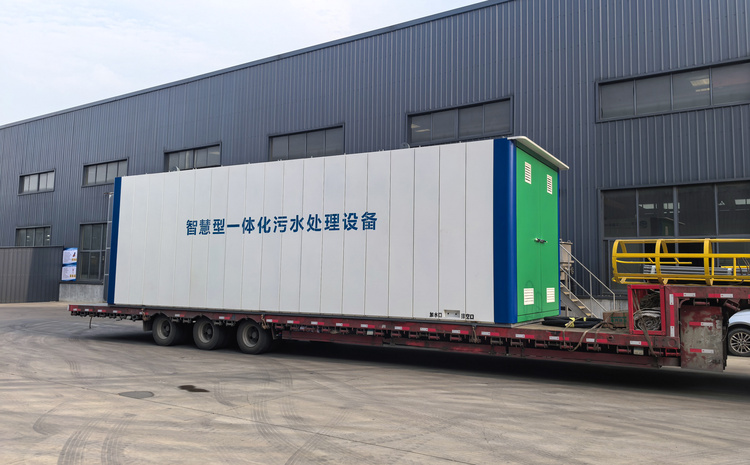
The flow survey should separate normal, peak, and low-occupancy conditions. A short daily discharge window can require a high transfer rate, while infiltration may create continuous hydraulic load with weaker wastewater; each condition calls for a different response.
Sludge handling needs its own operating plan. Screening residue, grease, flotation skimmings, and biological sludge have different water contents and handling risks. The design should state where each residual is stored, how often it is removed, and which party manages disposal under the rules applicable in United States. This item should be checked against the stated conditions for Domestic Wastewater Equipment for the US in United States.
Select the Process Route
The proposed route uses screening, equalization, AO biological treatment, clarification, and disinfection. Each stage should have a defined duty: screening protects pumps, equalization dampens shocks, biological treatment removes biodegradable pollutants, solids separation retains biomass, and disinfection or polishing addresses the final project objective. Industrial streams may need dedicated pretreatment before this train.
For domestic sewage, a dependable route usually favors simple screening, equalization, biological treatment, solids separation, and disinfection where required. Kitchen grease and non-biodegradable items should be intercepted before they interfere with pumps, aeration, or settling. This is a central process question for Domestic Wastewater Equipment for the US.
Control logic should support normal, high-level, low-level, manual, and fault modes. Interlocks need to be tested point by point during commissioning, and the operator should receive a concise recovery sequence for power loss, pump failure, or an instrument alarm. This item should be checked against the stated conditions for Domestic Wastewater Equipment for the US in United States.
Compare Technical Proposals
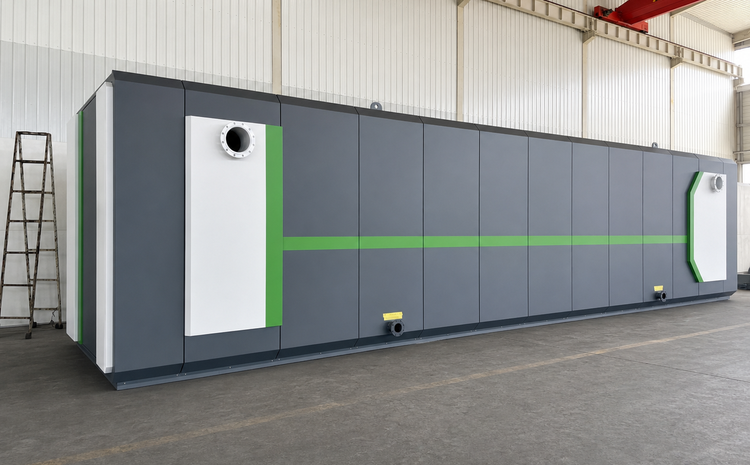
The package should be easy to inspect during ordinary facility maintenance. Clear access to pumps, blowers, valves, diffusers, and sampling points matters more than adding instruments that the local team cannot calibrate or use. The equipment schedule for Domestic Wastewater Equipment for the US should make this requirement explicit.
Capacity review should include three operating cases. Normal flow governs routine energy use, peak flow tests storage and overflow protection, and low flow tests whether the biological system can remain active without excessive cycling or loss of biomass.
Future expansion is easier when hydraulic, electrical, and control interfaces are reserved from the beginning. Adding another treatment module may also require larger equalization, transfer pumping, sludge storage, and outlet capacity, so modular equipment does not remove the need for system-level checks. This item should be checked against the stated conditions for Domestic Wastewater Equipment for the US in United States.
Prepare Installation and Startup
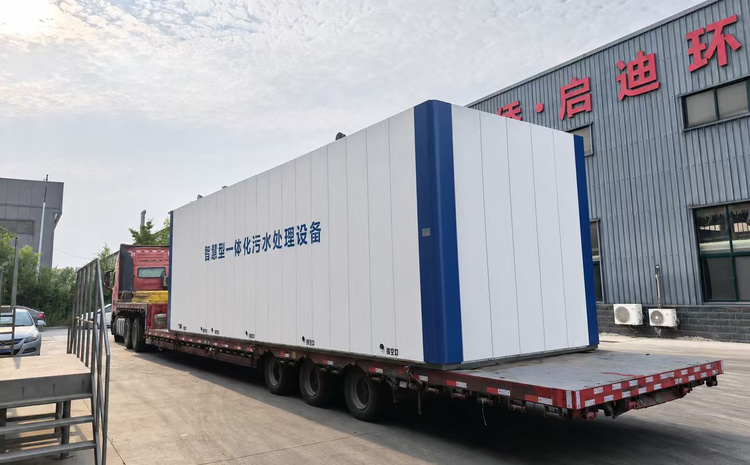
Installation should coordinate the sewer invert, grease-control facilities, equalization tank, and final discharge point. Odor ventilation and noise control may be important when the plant is close to homes or occupied buildings. The site plan for Domestic Wastewater Equipment for the US should show this interface clearly.
During startup, operators should compare measured level changes and flow-meter readings with the design curve. Pump schedules, aeration cycles, and recycle rates can then be adjusted from evidence rather than from a fixed timer copied from another plant.
Manage the System Over Time
Expansion planning needs more than a spare connection. Equalization, inlet pumps, sludge storage, outlet piping, electrical capacity, and the control panel must support the future module or the original infrastructure will remain the bottleneck.
Wastewater treatment equipment for United States should therefore be selected from measured project conditions and verified local requirements. ZhongQiao Enlightenment can organize the process and equipment package around those inputs, while final compliance depends on wastewater characteristics, design approval, commissioning, operation, and the rules that apply at the project location.