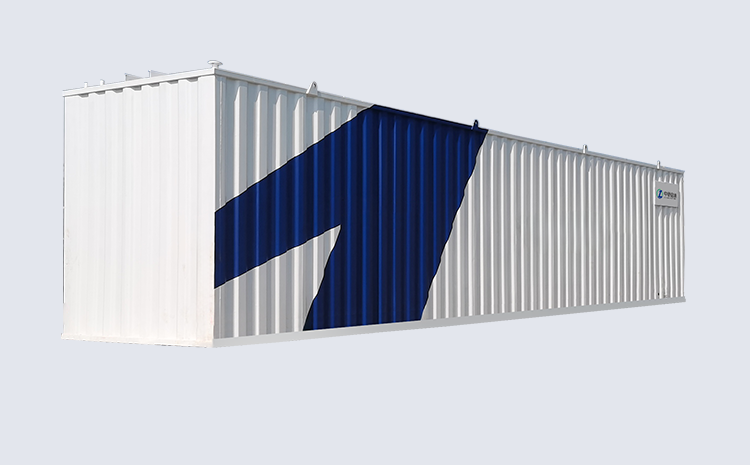
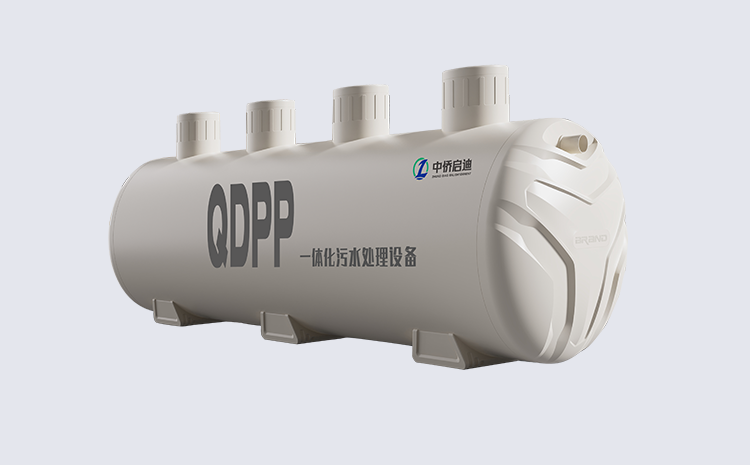
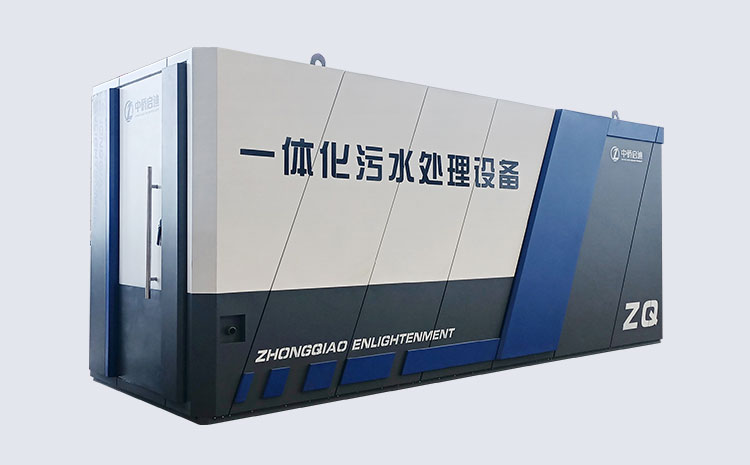
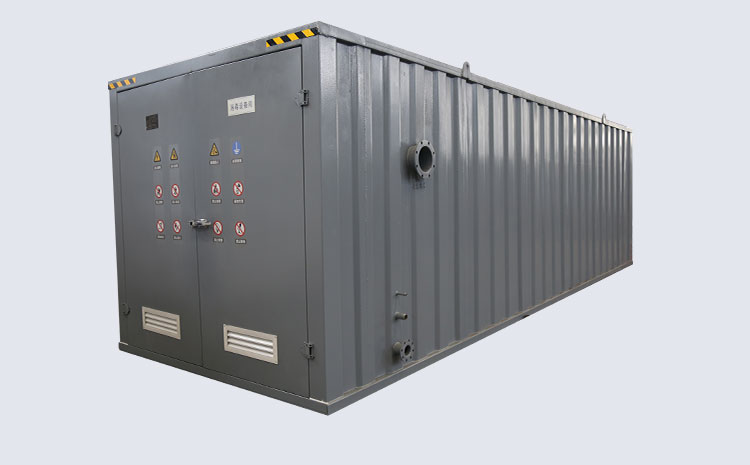
Moving Bed Biofilm Reactor (MBBR) technology has become one of the most attractive options for upgrading and newly building small and medium-sized wastewater treatment plants. When integrated into a compact, factory-built package, MBBR equipment combines the stability of biofilm processes with the flexibility of modular installation. Shandong Zhongqiao Enlightenment Environmental Protection Equipment Co., Ltd., based in Weifang, Shandong, has applied this technology extensively in its integrated sewage treatment equipment product range.
The core of MBBR is the use of free-floating plastic carriers inside an aeration tank. These carriers provide a large surface area for microorganisms to attach and grow, forming a stable biofilm. Because the biomass is retained on the carriers rather than suspended in the mixed liquor, the process is less sensitive to sludge bulking, sludge loss, and hydraulic shock loads than conventional activated sludge systems. This makes MBBR especially suitable for wastewater with variable flow and pollutant concentrations.
Zhongqiao Enlightenment's integrated MBBR equipment typically includes a pre-treatment section with screening and grit removal, an equalization tank to balance flow and quality, an MBBR biological tank with fine-bubble aeration and specially selected biofilm carriers, a secondary clarification or settling unit, and a disinfection stage. The entire process is controlled by a compact programmable logic controller (PLC) panel with automatic alarms and pump protection functions.
One of the main advantages of this configuration is its strong resistance to shock loads. In food processing plants, slaughterhouses, livestock farms, and tourist resorts, the incoming wastewater often changes sharply during peak hours or seasonal production periods. Conventional activated sludge systems may take days to recover from organic or toxic shocks, leading to effluent quality violations. In contrast, the biofilm in an MBBR reactor recovers more quickly because the microbial community is attached and protected within the carrier structure.
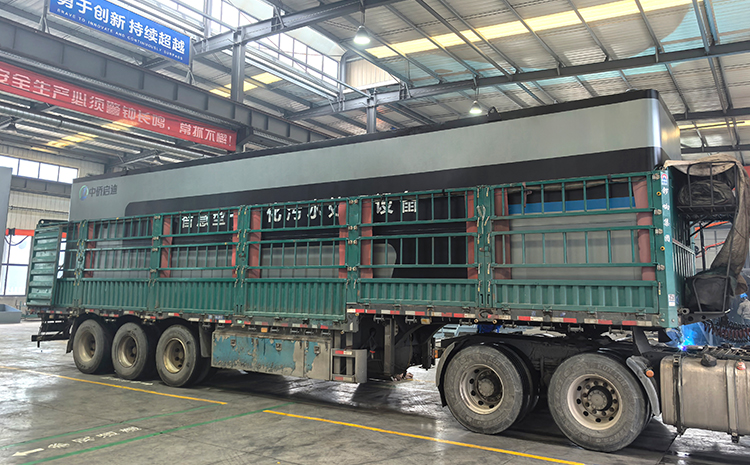
Another benefit is the compact footprint. Because MBBR operates at a higher biomass concentration than conventional activated sludge, the required tank volume is smaller. For sites with limited land, such as urban retrofit projects, highway service areas, and island resorts, integrated MBBR equipment offers a practical alternative to large civil-construction tanks. Zhongqiao Enlightenment often combines MBBR with other processes such as AO, A2O, or MBR to meet stricter discharge standards.
The selection of biofilm carriers is important for MBBR performance. Zhongqiao Enlightenment uses high-density polyethylene carriers with a high surface-area-to-volume ratio and good mechanical strength. The carriers are designed to maintain suspension and circulation under low airflow conditions, which reduces energy consumption. The company also chooses carrier fill ratios based on influent characteristics, target removal rates, and climate conditions.
Operational maintenance of integrated MBBR equipment is relatively simple. Routine tasks include checking aeration uniformity, inspecting carrier distribution, cleaning screens, and monitoring sludge production. The process does not require sludge recycling in the same way as activated sludge, which reduces the complexity of operation. For small communities or remote sites with limited operator presence, this is a significant advantage.
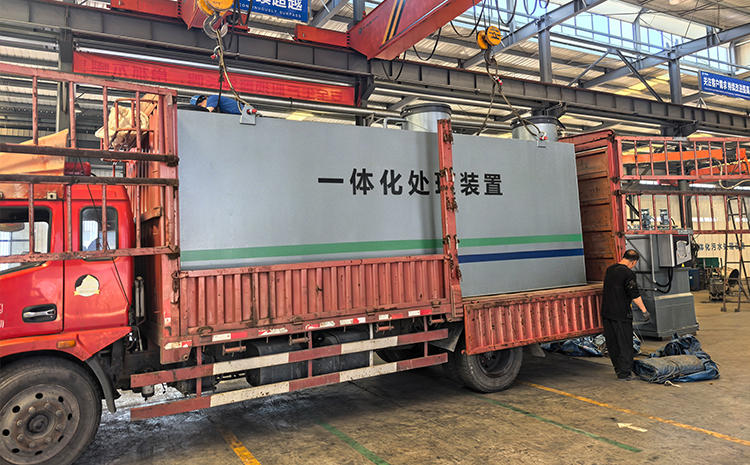
Zhongqiao Enlightenment has supplied integrated MBBR equipment for rural sewage treatment, hotel resort wastewater, food processing effluent, and industrial park pre-treatment projects. The company's engineering team selects appropriate carrier types, aeration intensity, and hydraulic retention time based on each project's water quality report. This customized approach ensures that the equipment meets local discharge standards and operates reliably over the long term.
MBBR technology also offers a smooth upgrade path for existing plants. In many cases, an existing activated sludge tank can be converted to MBBR by adding carriers and improving aeration, without building new tanks. This retrofit approach is popular with municipal utilities that need to increase treatment capacity or improve effluent quality without expanding their site footprint. Zhongqiao Enlightenment provides retrofit design support, including carrier quantity calculations, aeration system checks, and process simulations.
The biological principles behind MBBR are well established. Organic pollutants are removed by heterotrophic bacteria growing on the carrier surfaces, while nitrifying bacteria convert ammonia nitrogen to nitrate under aerobic conditions. In integrated A2O-MBBR configurations, the process can achieve both organic removal and nitrogen removal in a compact layout. By controlling the dissolved oxygen level and internal recycle rate, the system can maintain stable nitrification and denitrification performance.
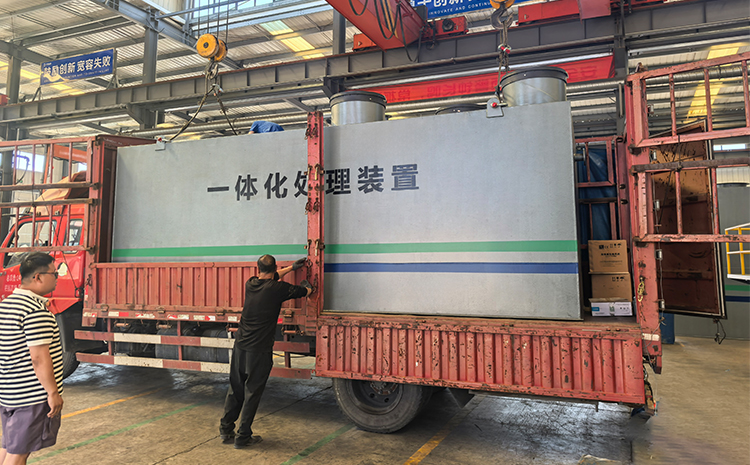
Compared with membrane bioreactor systems, MBBR has lower operating complexity and avoids the membrane replacement costs associated with MBR. Compared with conventional activated sludge, it offers better stability and higher biomass retention. For many medium-sized projects, MBBR strikes an attractive balance between performance, cost, and operational simplicity.
As environmental regulations become stricter and water reuse becomes more common, MBBR technology is expected to play an even larger role in decentralized wastewater treatment. Integrated MBBR equipment offers a balanced combination of biological stability, compact design, and operational simplicity. Manufacturers such as Zhongqiao Enlightenment continue to refine these systems to meet the diverse needs of domestic and international customers.