
Set the Design Basis
Rural Wastewater Equipment for Kenya is presented as a planning scenario for rural wastewater in Kenya, not as a claim about a completed local project. A useful specification starts with the wastewater sources, discharge or reuse objective, available footprint, utilities, staffing, and the party responsible for sludge management.
The process discussion for Kenya should explain why screening, equalization, MBBR biological treatment, clarification, and disinfection matches the stated wastewater instead of treating a flow diagram as a standard product. Biodegradability, solids, oil, nutrients, toxicity, and operator capability determine whether the route is defensible.
Sludge handling needs its own operating plan. Screening residue, grease, flotation skimmings, and biological sludge have different water contents and handling risks. The design should state where each residual is stored, how often it is removed, and which party manages disposal under the rules applicable in Kenya. This item should be checked against the stated conditions for Rural Wastewater Equipment for Kenya in Kenya.
Account for Peak Conditions
Rural collection systems often serve dispersed users and receive uneven flows. Stormwater intrusion, intermittent pumping, limited staffing, and long sludge-hauling distances can matter as much as the biological process itself. Representative samples should cover the operating periods that create the highest organic, solids, oil, or chemical load rather than only a convenient daytime sample. For Rural Wastewater Equipment for Kenya, the sampling plan should be part of the documented design basis.
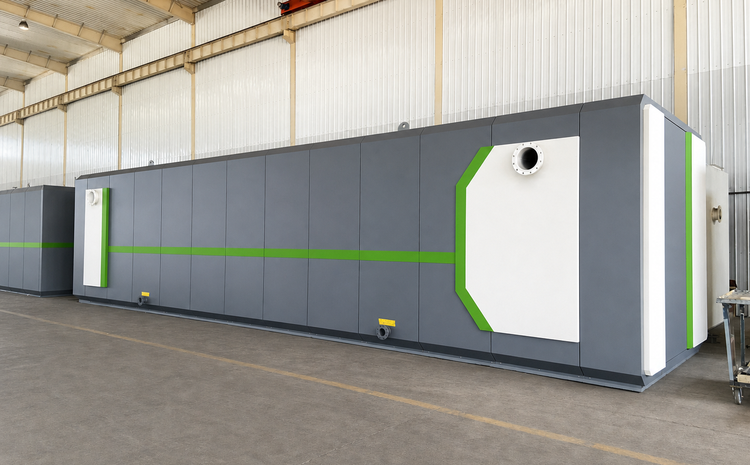
Each stage needs a measurable duty and a clear hydraulic connection. Pretreatment protects downstream equipment, equalization moderates shocks, biology removes biodegradable material, separation retains solids, and polishing addresses the final project objective.
Control logic should support normal, high-level, low-level, manual, and fault modes. Interlocks need to be tested point by point during commissioning, and the operator should receive a concise recovery sequence for power loss, pump failure, or an instrument alarm. This item should be checked against the stated conditions for Rural Wastewater Equipment for Kenya in Kenya.
Assign a Job to Each Stage
The proposed route uses screening, equalization, MBBR biological treatment, clarification, and disinfection. Each stage should have a defined duty: screening protects pumps, equalization dampens shocks, biological treatment removes biodegradable pollutants, solids separation retains biomass, and disinfection or polishing addresses the final project objective. Industrial streams may need dedicated pretreatment before this train.
A rural scheme benefits from a process that tolerates uneven inflow and can recover after low-load periods. Attached-growth biology may help in some cases, but screening, equalization, sludge wasting, and realistic operator routines remain essential. This is a central process question for Rural Wastewater Equipment for Kenya.
Future expansion is easier when hydraulic, electrical, and control interfaces are reserved from the beginning. Adding another treatment module may also require larger equalization, transfer pumping, sludge storage, and outlet capacity, so modular equipment does not remove the need for system-level checks. This item should be checked against the stated conditions for Rural Wastewater Equipment for Kenya in Kenya.
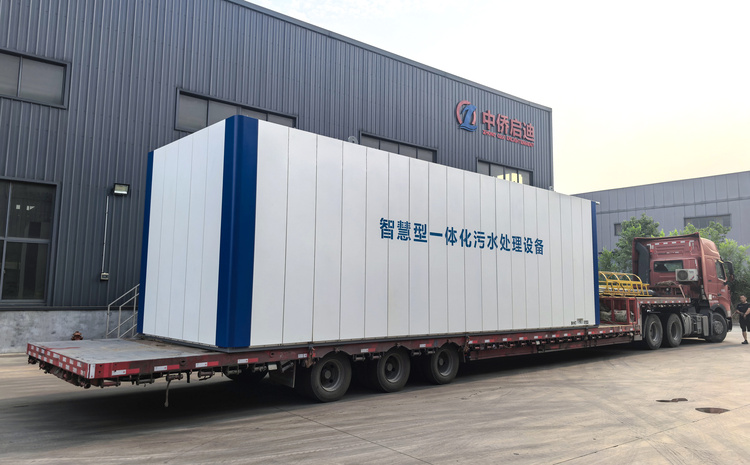
Check Materials and Controls
Equipment for dispersed communities should minimize hidden service points. Pumps and blowers need safe removal space, valves should be reachable, and the control system should show faults in terms a local operator can act on. The equipment schedule for Rural Wastewater Equipment for Kenya should make this requirement explicit.
Process comparison should look beyond tank labels. Working volume, recycle paths, sludge-age management, chemical testing, maintenance isolation, and standby philosophy often decide whether a theoretically suitable process remains manageable at the site.
A useful spare-parts plan separates routine consumables from long-lead critical items. Seals, level switches, valves, diffuser components, and instrument supplies can be stocked locally, while standby pumps or blowers should be considered when a single failure would stop the entire process. This item should be checked against the stated conditions for Rural Wastewater Equipment for Kenya in Kenya.
Verify Performance During Startup
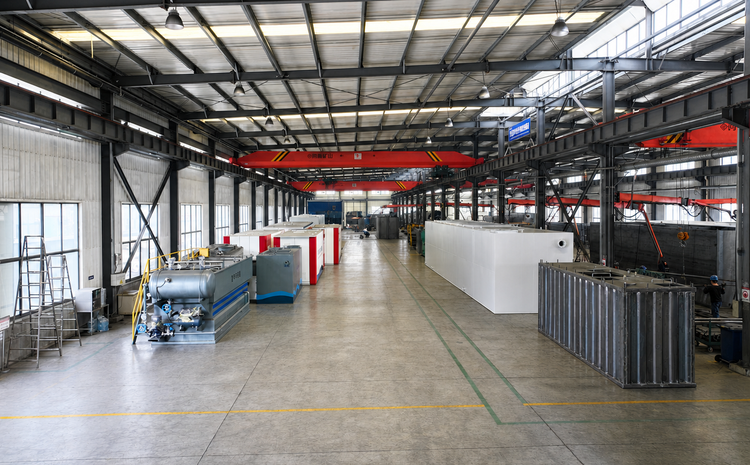
Construction planning must include the collection network and sludge route. A well-built treatment package cannot compensate for stormwater entering the sewer, blocked household connections, or the absence of an arrangement for residual removal. The site plan for Rural Wastewater Equipment for Kenya should show this interface clearly.
Commissioning should verify one treatment stage at a time. This sequence allows the team to locate the cause of turbidity, biomass loss, pressure increase, or weak disinfection instead of changing aeration, recycle, and chemical dose simultaneously.
Keep Operations Practical
Operating records should connect actions with results. Flow and quality data become more useful when they are paired with sludge wasting, membrane cleaning, flotation adjustments, chemical changes, and the reason each change was made.
Wastewater treatment equipment for Kenya should therefore be selected from measured project conditions and verified local requirements. ZhongQiao Enlightenment can organize the process and equipment package around those inputs, while final compliance depends on wastewater characteristics, design approval, commissioning, operation, and the rules that apply at the project location.