Industrial parks often receive wastewater from several production units, so flow and pollutant concentrations may change throughout the day. Modular wastewater treatment equipment provides a practical way to match capacity with phased construction while keeping installation work under control.
A reliable design begins with wastewater characterization. Engineers should confirm average and peak flow, organic load, suspended solids, oil, salinity, and any substances that may inhibit biological treatment before selecting the process train.
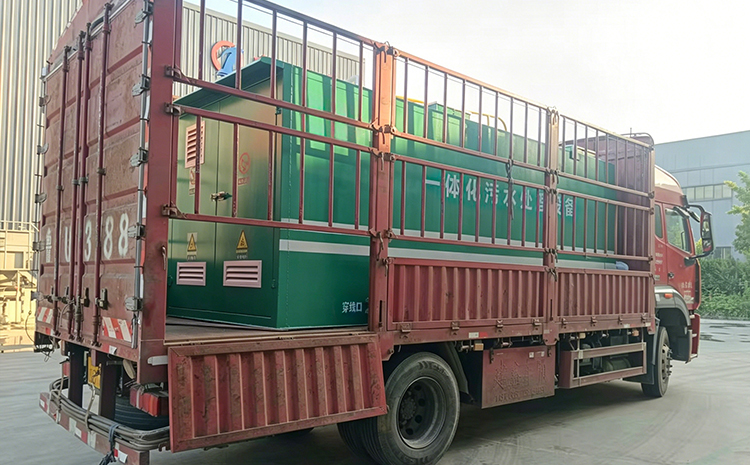
Equalization and pretreatment protect downstream units from sudden shocks. Screening, oil separation, coagulation, or dissolved air flotation can be added when the incoming wastewater contains fibers, grease, or fine suspended particles.
The biological section can be configured with contact oxidation, MBR, or other processes according to the discharge target. Pumps, blowers, return lines, and controls should be integrated with enough access for inspection and maintenance.
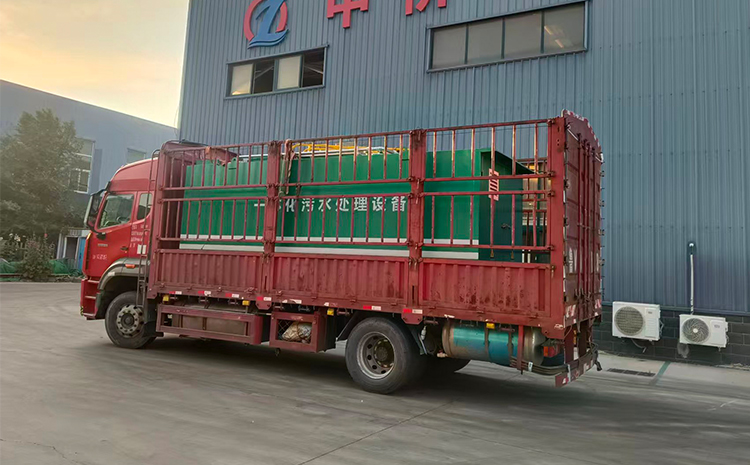
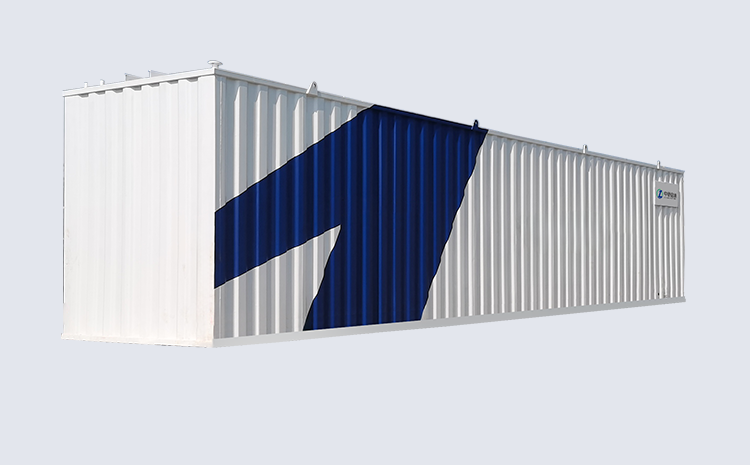
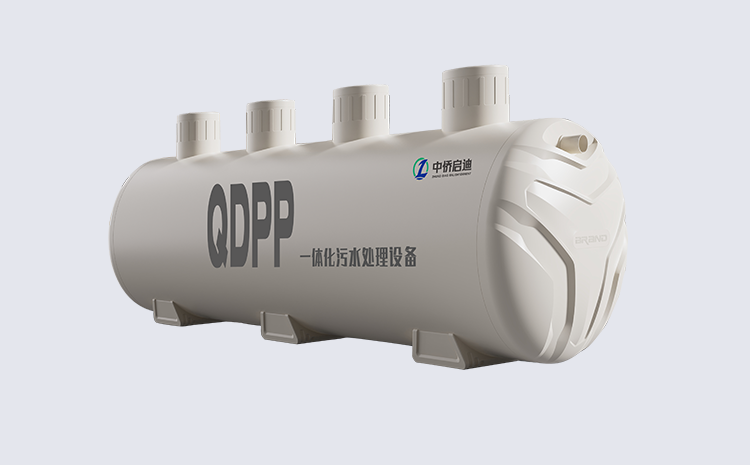
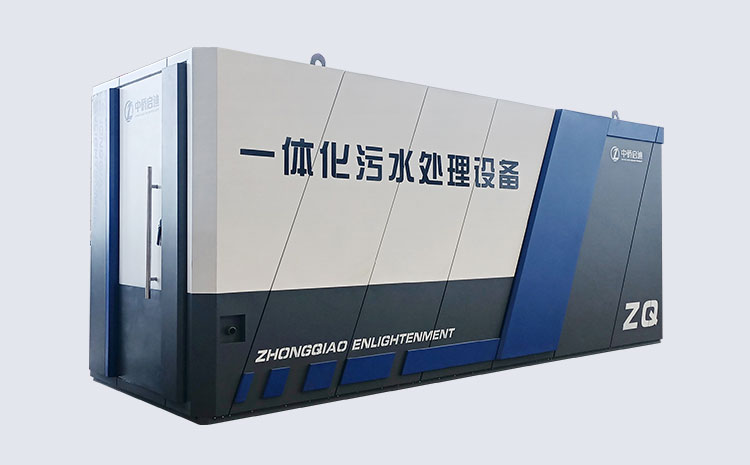
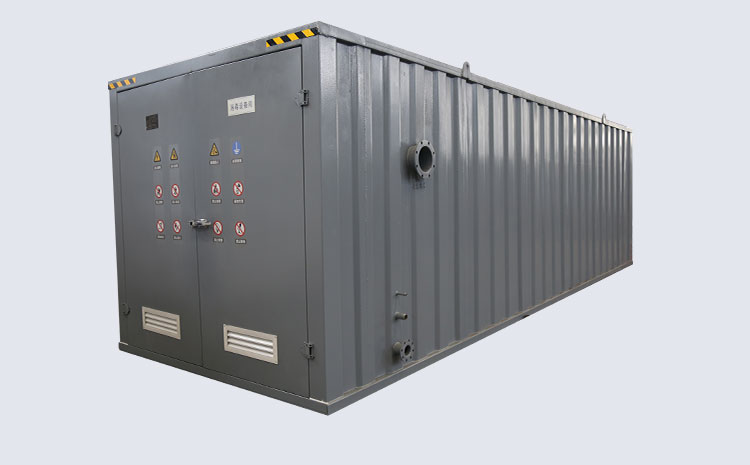
Factory prefabrication reduces site assembly and allows key dimensions, piping, and electrical functions to be checked before shipment. Module sizes must still match road transport, lifting capacity, and the available installation area.
During commissioning, the system should start at a controlled load. Operators need to record flow, dissolved oxygen, sludge condition, pressure, and effluent quality, then adjust aeration and sludge wasting as the biomass becomes stable.
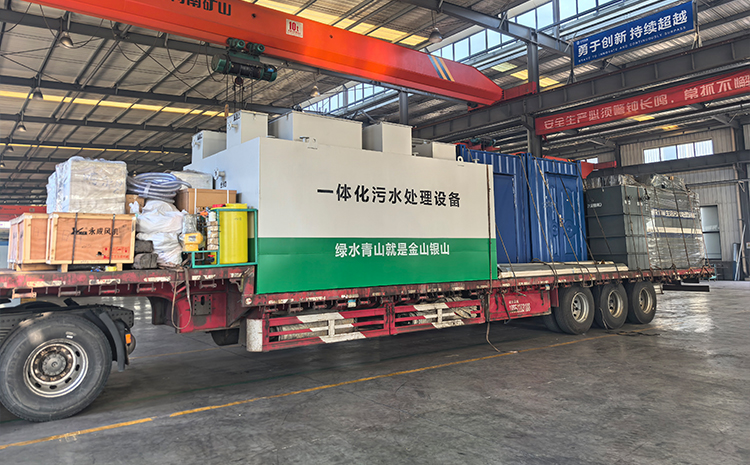
With proper pretreatment, modular expansion interfaces, and clear operating procedures, modular wastewater treatment equipment can support industrial parks that need fast deployment, predictable construction schedules, and future capacity growth.