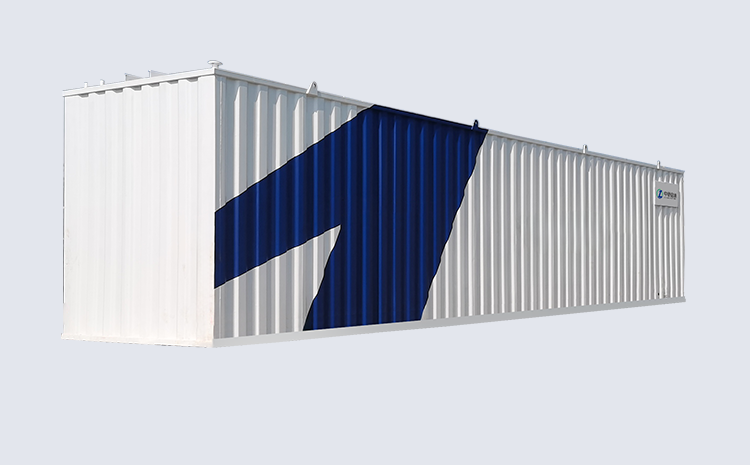
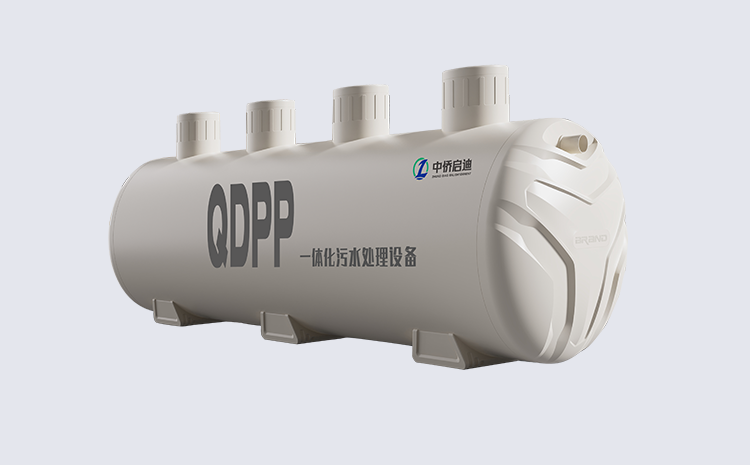
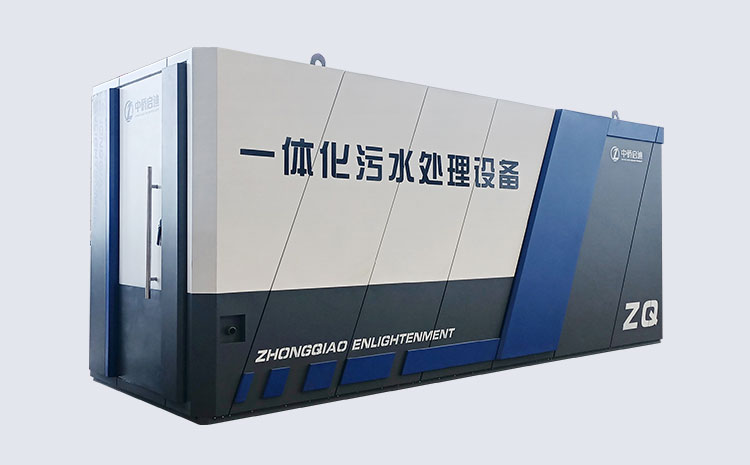
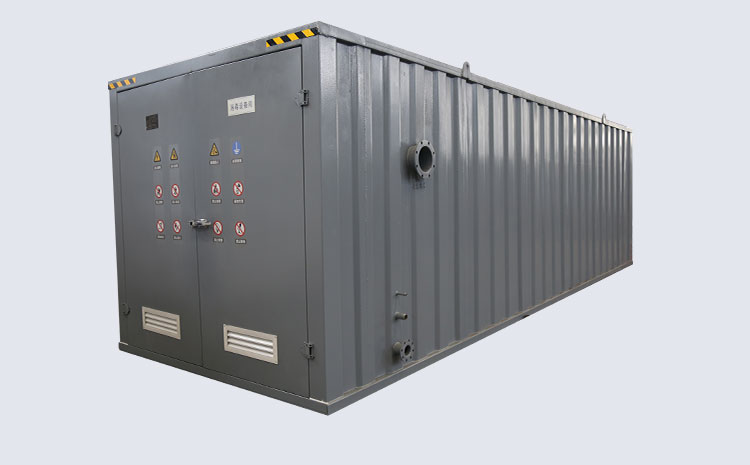
Mining camps are often located far from municipal sewer networks, while wastewater flow changes with workforce schedules. Containerized wastewater treatment equipment provides a compact solution that can be prefabricated, transported, and commissioned close to the camp.
The design begins with a review of domestic wastewater flow, peak discharge periods, climate, elevation, power availability, and the required reuse or discharge standard. Process capacity should include a reasonable allowance for workforce changes.
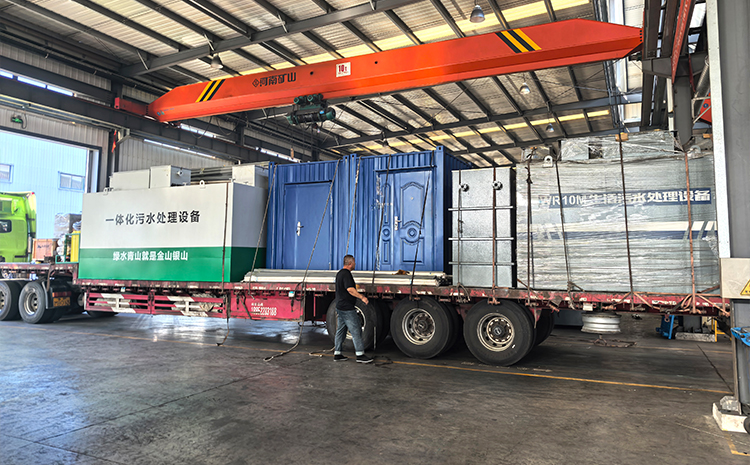
Screening and equalization reduce the impact of sudden flow variations. Where kitchen wastewater is present, grease separation should be completed before the biological section to protect pumps, piping, and treatment performance.
The main biological process can be integrated with aeration, clarification, filtration, or membrane separation according to the project target. Equipment access, ventilation, odor control, and safe chemical storage must be considered inside the container layout.
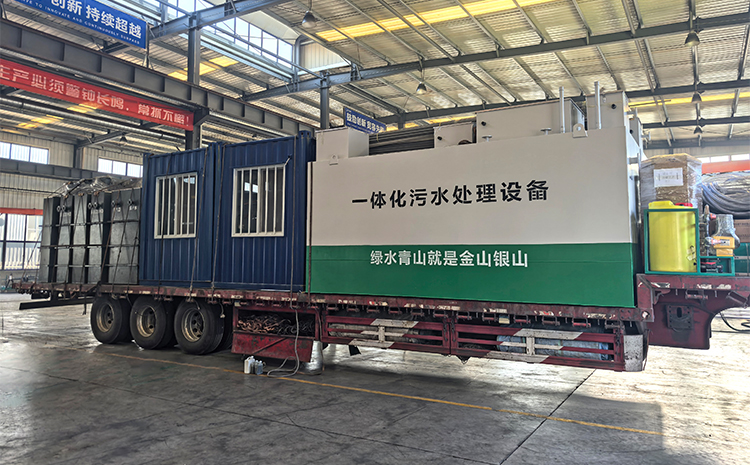
Factory assembly allows piping, pumps, blowers, controls, and alarms to be checked before shipment. Lifting points, transport restraints, and connection labels help the destination team complete unloading and installation efficiently.
Commissioning should start with a controlled hydraulic and organic load. Operators monitor dissolved oxygen, sludge condition, equipment current, and effluent quality, then adjust aeration and sludge wasting as the biomass develops.
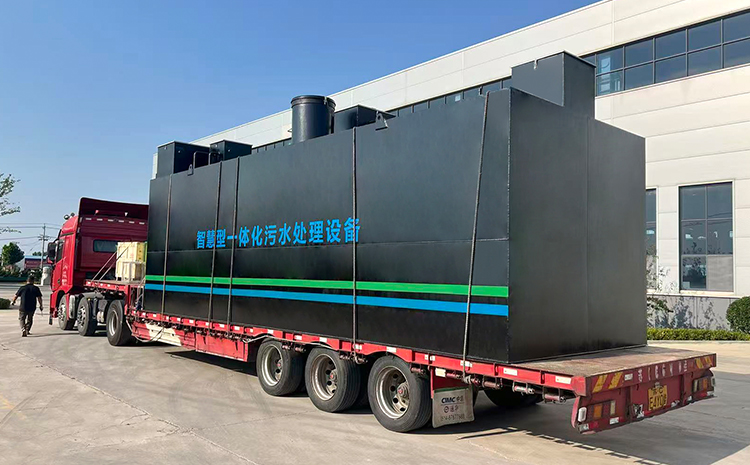
With appropriate equalization, cold or hot climate protection, and clear maintenance procedures, containerized wastewater treatment equipment can provide dependable sanitation support for remote mining camps.