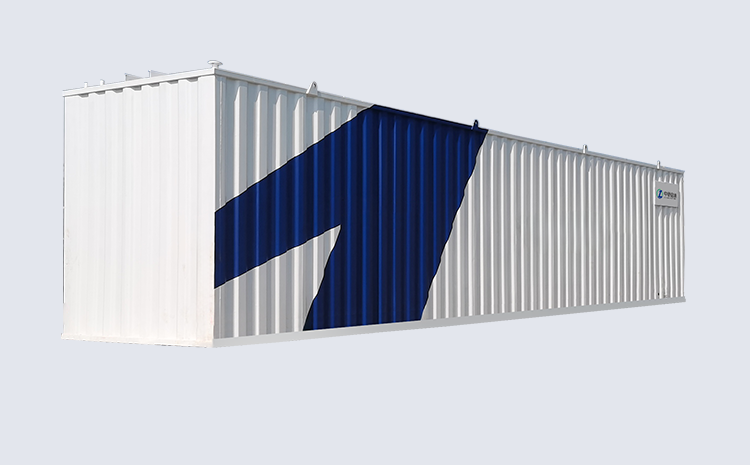
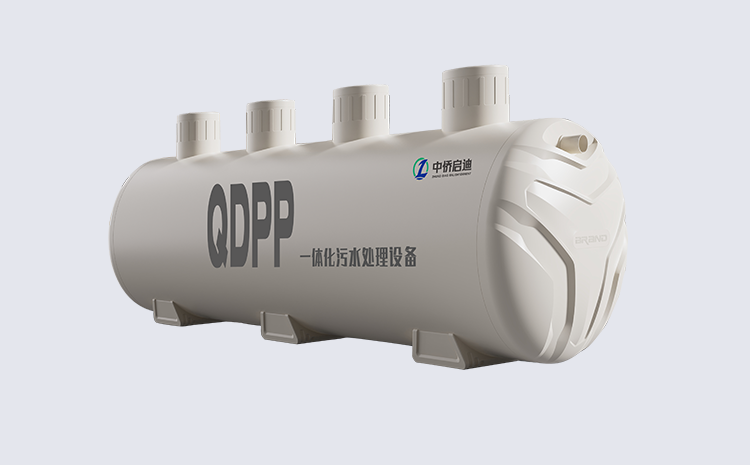
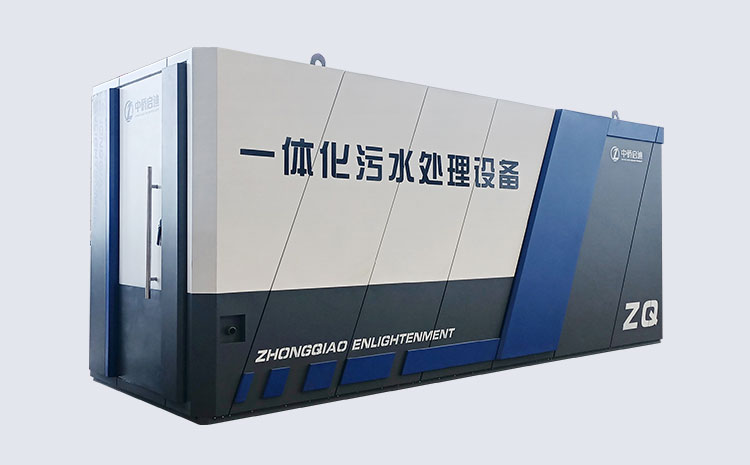
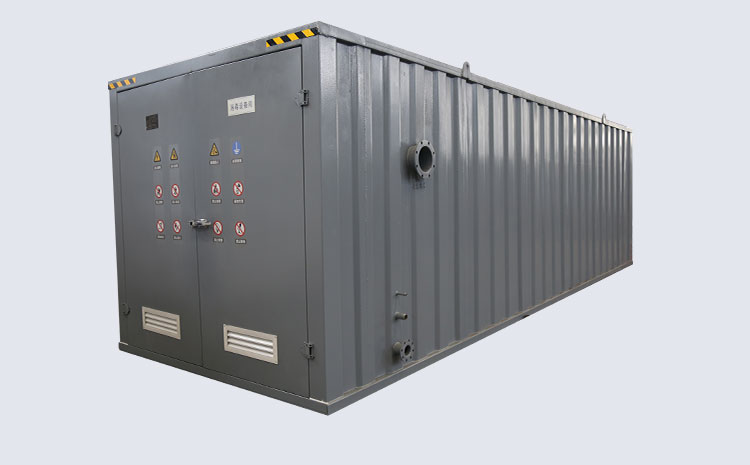
Coastal resorts experience large changes in wastewater flow between weekdays, holidays, and peak travel seasons. Integrated wastewater treatment equipment must handle these variations while operating in a humid and potentially corrosive environment.
Design data should include average and peak occupancy, kitchen and laundry wastewater, reuse requirements, groundwater level, salt spray exposure, and the available installation area. Equalization capacity is especially important for short peak periods.
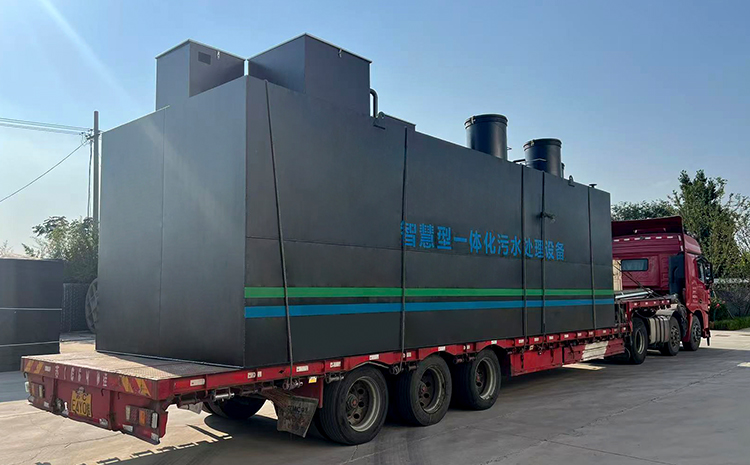
Pretreatment protects pumps and biological units from grease, fibers, and suspended solids. Screening and grease separation should be easy to inspect because maintenance staff may be limited during busy seasons.
The biological process can be configured with contact oxidation, MBR, or another suitable method according to the effluent target. Aeration, sludge return, and disinfection controls should respond to seasonal load changes.
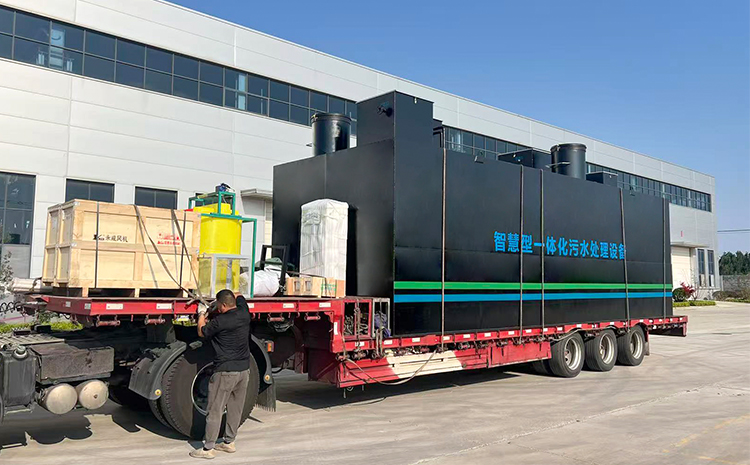
Materials, coatings, electrical enclosures, and outdoor accessories require protection from humidity and salt spray. Underground installations also need drainage, waterproofing, and anti-floating measures based on the highest groundwater level.
Operators should record flow, dissolved oxygen, sludge condition, equipment current, and effluent quality. Before peak season, pumps, blowers, alarms, and standby components should receive a complete inspection.
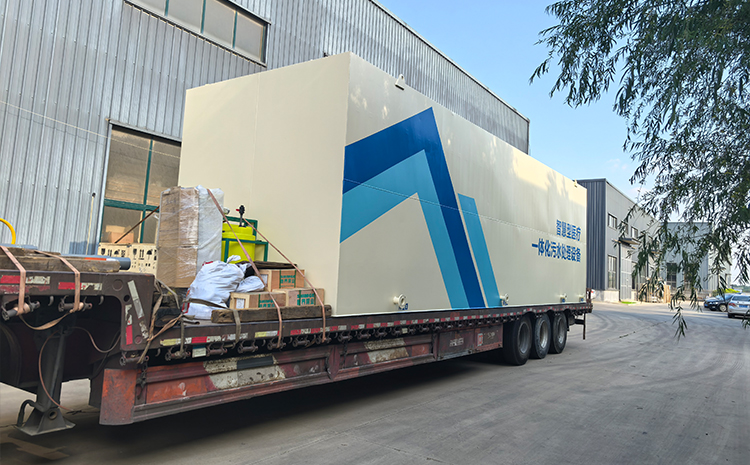
With adequate equalization, corrosion protection, and flexible operating controls, integrated wastewater treatment equipment can provide reliable treatment for coastal resorts across changing occupancy conditions.