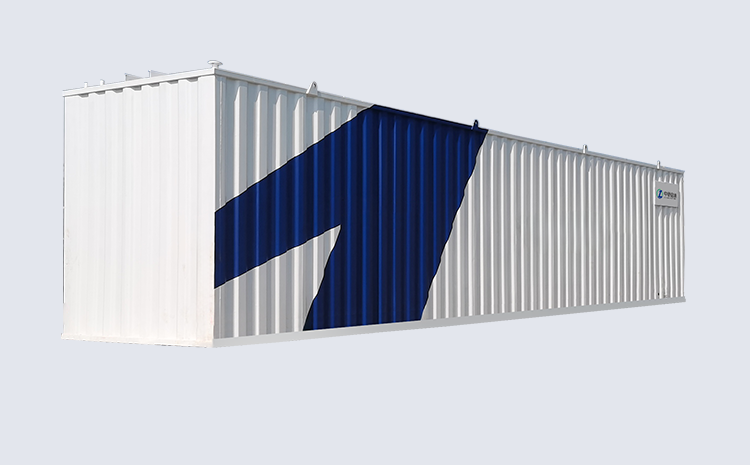
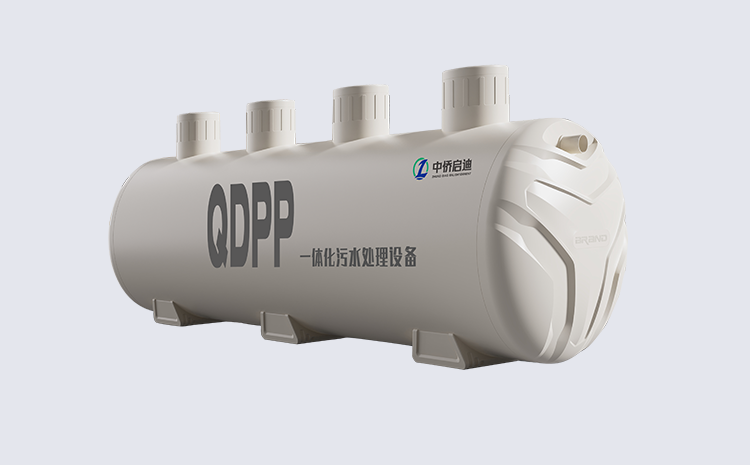
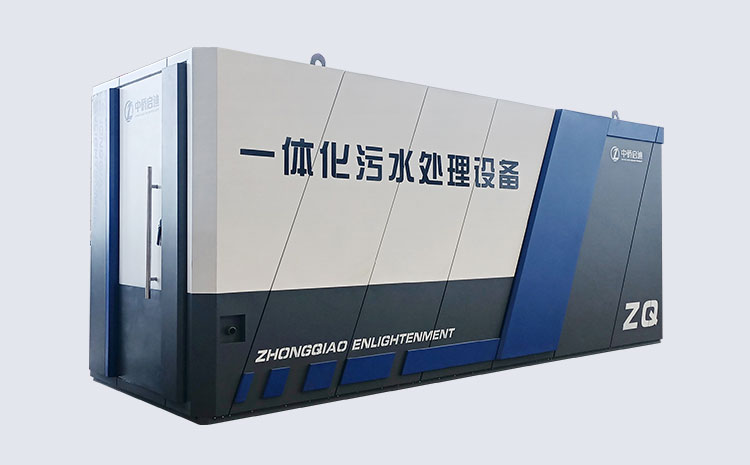
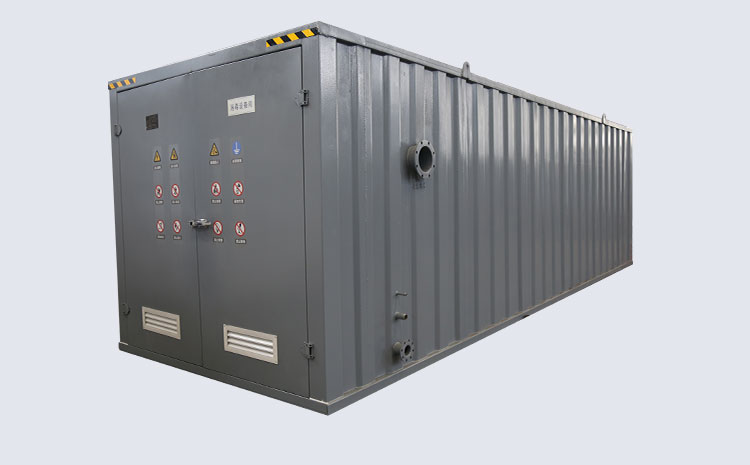
Rural communities often have dispersed households, variable daily flow, and limited full-time operating staff. Modular sewage treatment equipment can combine the main treatment units in a compact system while allowing capacity to grow with the service population.
Design work should confirm household numbers, peak discharge periods, groundwater level, power supply, road access, and the required discharge or reuse standard. Equalization is important because morning and evening flows may be much higher than the daily average.
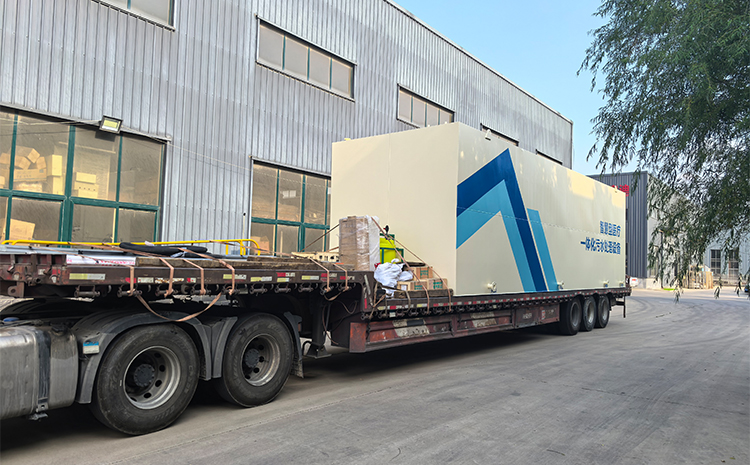
Screening and simple pretreatment protect pumps and biological units from rags, grit, grease, and other debris. Access points must be convenient enough for routine cleaning by local operators.
The biological section may use contact oxidation, MBR, or another appropriate process. Pumps, blowers, return lines, and disinfection should be integrated with clear automatic and manual controls.
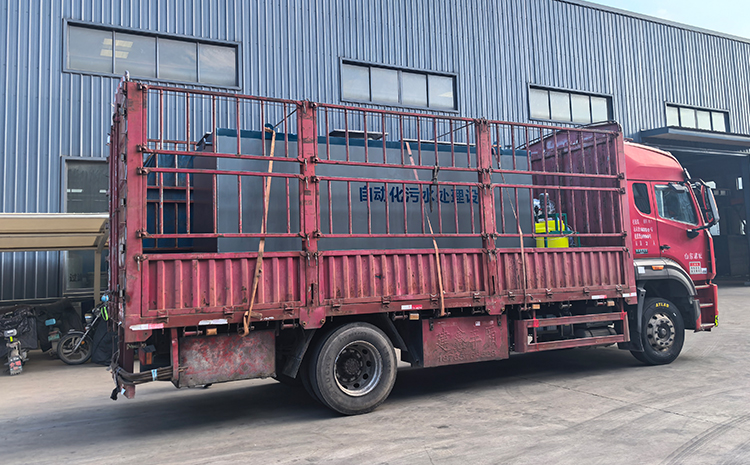
Factory prefabrication reduces site assembly, but the foundation, lifting area, inlet and outlet elevations, drainage, and electrical connections still need to be completed before delivery.
During commissioning, operators gradually increase the load and record flow, dissolved oxygen, sludge condition, equipment current, and effluent quality. Simple inspection forms help maintain consistent operation.
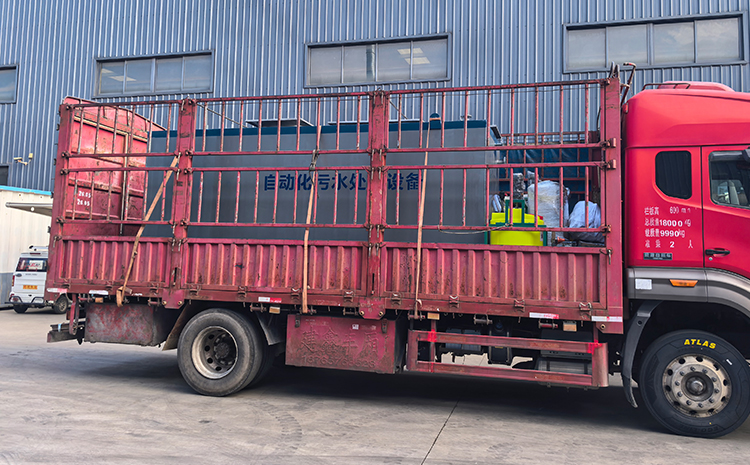
With proper equalization, accessible maintenance points, and modular expansion interfaces, sewage treatment equipment can support rural communities that need reliable treatment with limited construction and operating resources.