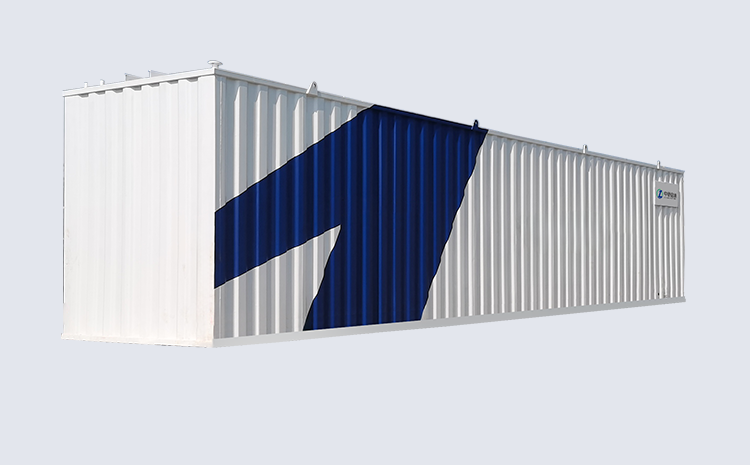
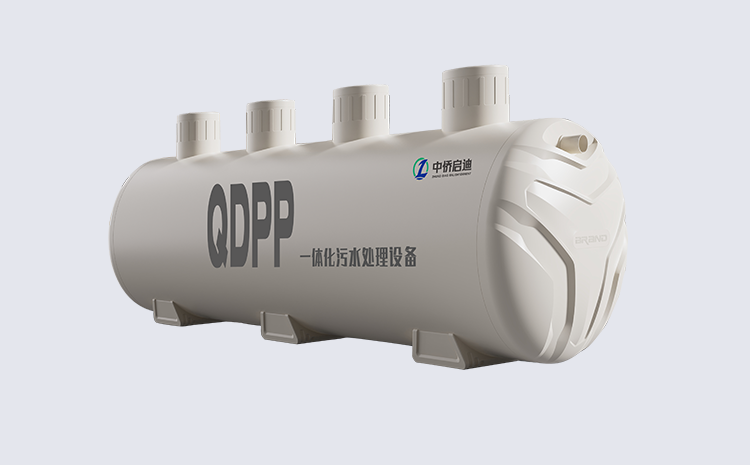
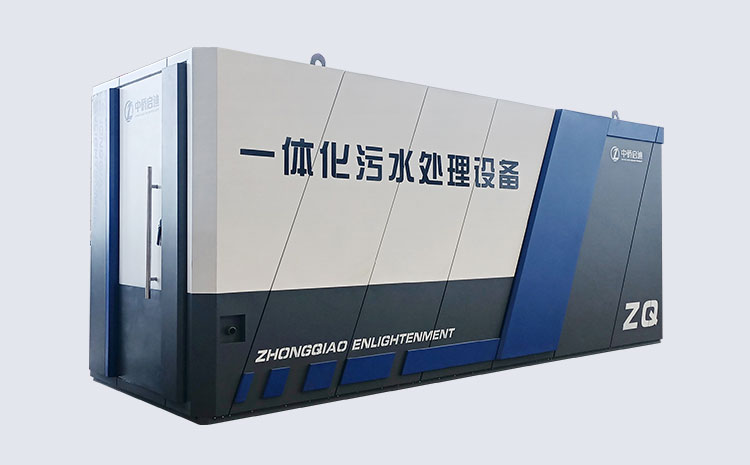
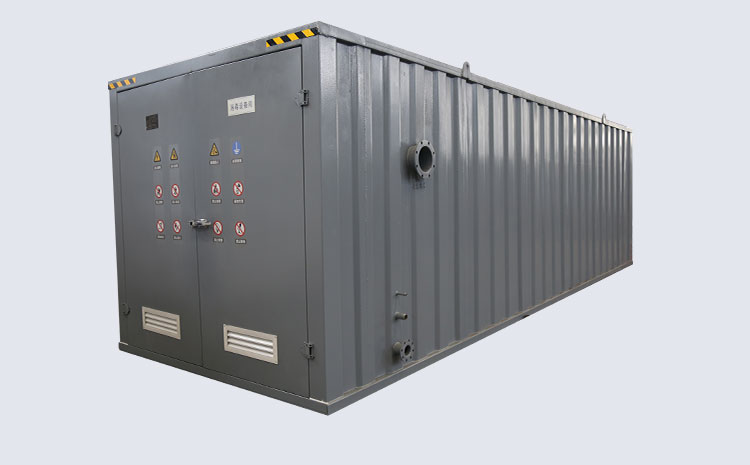
Highway service areas experience sharp changes in wastewater flow between ordinary days, holidays, and overnight traffic peaks. Integrated wastewater treatment equipment can combine the main process units in a compact structure while allowing phased operation.
Design work should confirm visitor numbers, restaurant and restroom wastewater, peak-hour flow, seasonal temperature, power conditions, discharge limits, and the space available for maintenance vehicles.
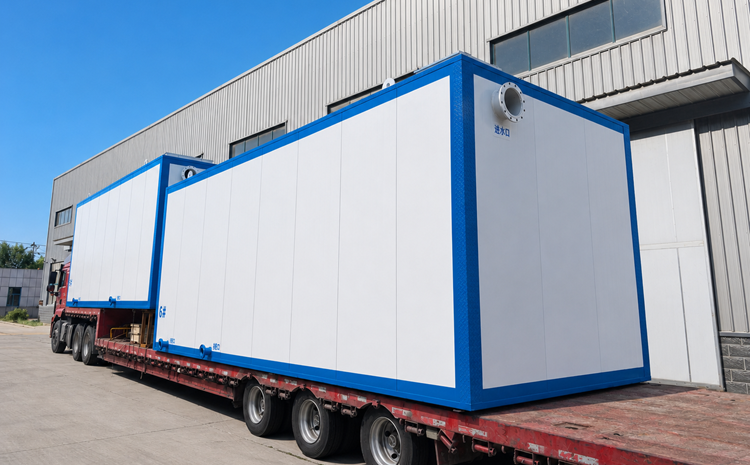
Screening and equalization are important because wipes, food residue, and sudden hydraulic loads can disturb downstream treatment. Accessible cleaning points and clear operating procedures reduce blockage risks.
Biological treatment, clarification, filtration, and disinfection can be selected according to the effluent target. Pumps and blowers should support alternating operation so that essential treatment continues during routine maintenance.
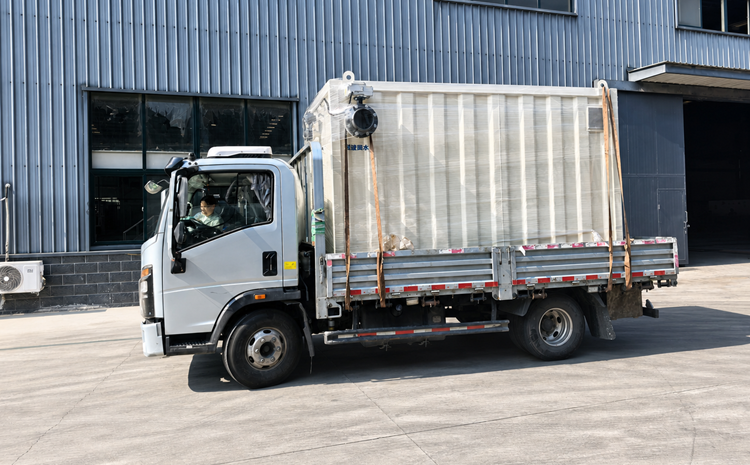
The equipment layout should provide safe walkways, ventilation, lifting access, and protected electrical controls. Pipe labels and flow arrows help local operators identify each process line quickly.
Commissioning begins with mechanical and electrical inspection, clean-water testing, and gradual loading. Operators then track flow, dissolved oxygen, sludge condition, equipment current, alarms, and effluent quality.
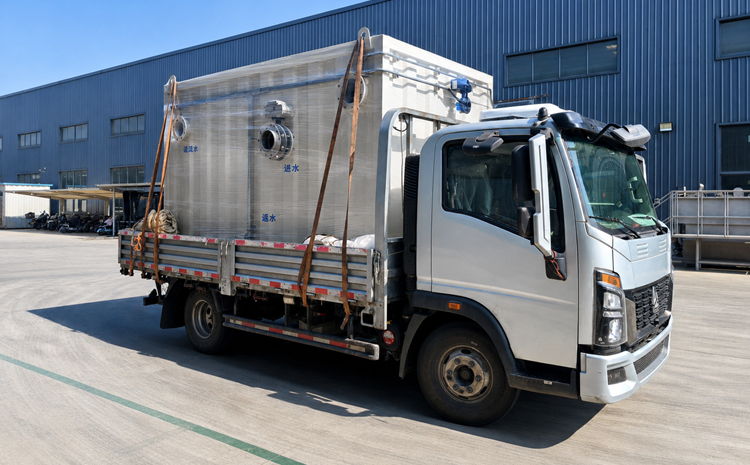
With reliable equalization, practical standby capacity, and disciplined inspection, integrated wastewater treatment equipment can provide stable service for highway facilities with highly variable daily loads.