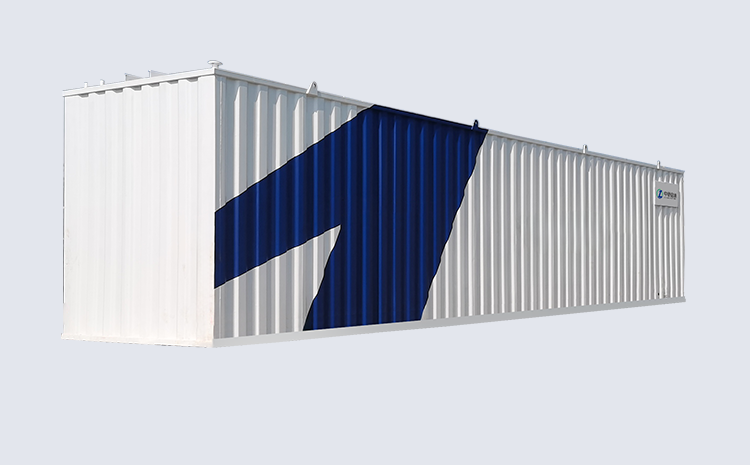
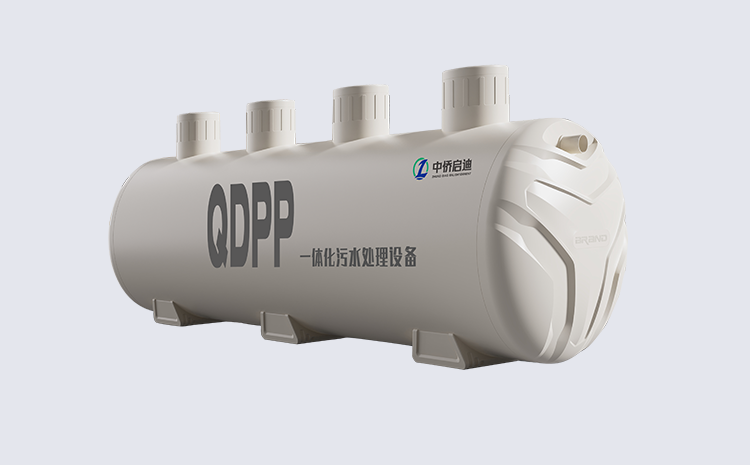
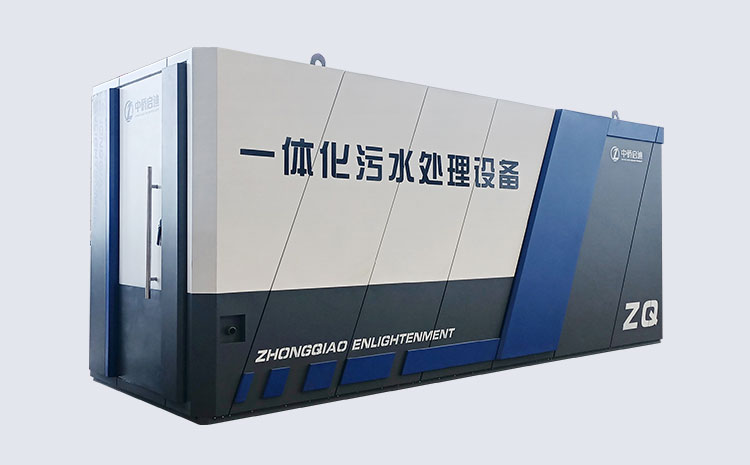
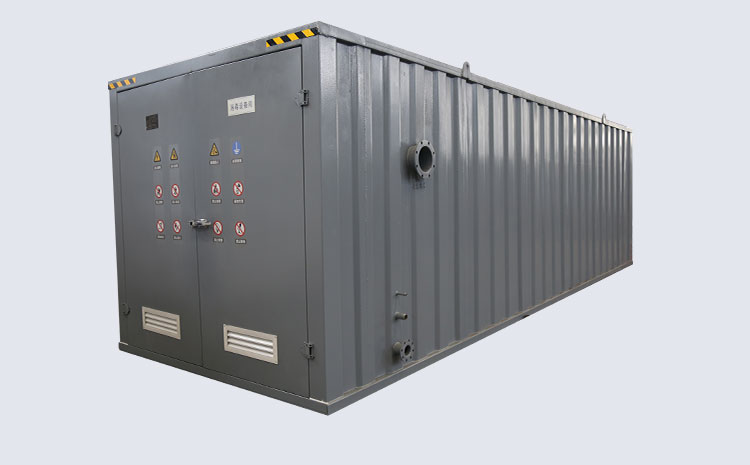
Food processing plants generate wastewater with changing organic loads, suspended solids, grease, cleaning chemicals, and production schedules. Integrated wastewater treatment equipment can combine pretreatment and biological treatment in a compact layout for sites with limited construction space.
The design should confirm product type, daily production, cleaning shifts, peak discharge, temperature, pH, oil and grease, nutrient balance, and the required discharge or reuse standard.
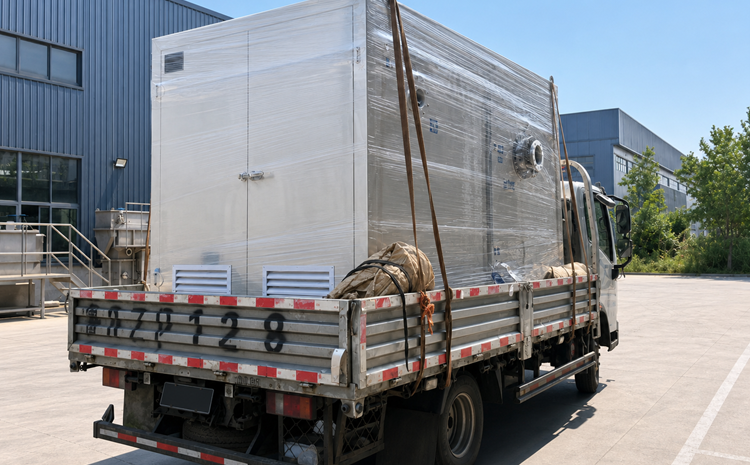
Screening, grease separation, and equalization protect downstream units from solids and sudden concentration changes. Where production is intermittent, controlled mixing helps prevent sedimentation and odor in the equalization tank.
The treatment process may include coagulation, flotation, biological treatment, clarification, filtration, and disinfection. Pumps and blowers should have practical standby arrangements for continuous operation during maintenance.
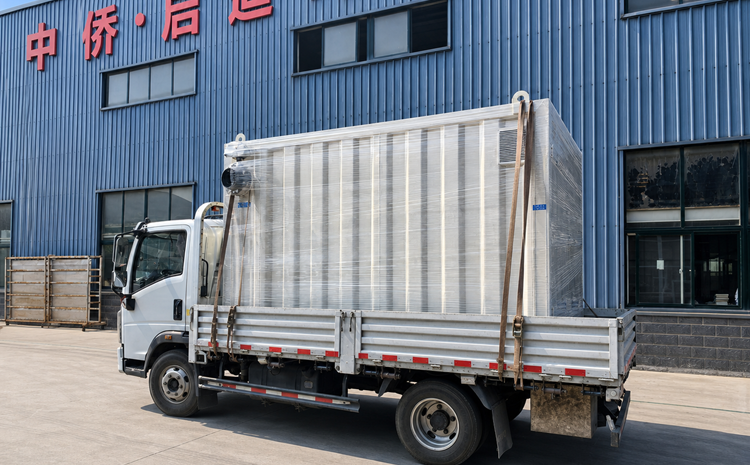
Operators monitor flow, pH, dissolved oxygen, sludge condition, equipment current, chemical consumption, and effluent quality. Changes in raw materials or cleaning agents should be communicated before they affect the biological process.
Routine maintenance includes cleaning screens, checking dosing lines, removing accumulated grease, inspecting aeration equipment, and confirming that alarms and automatic controls respond correctly.
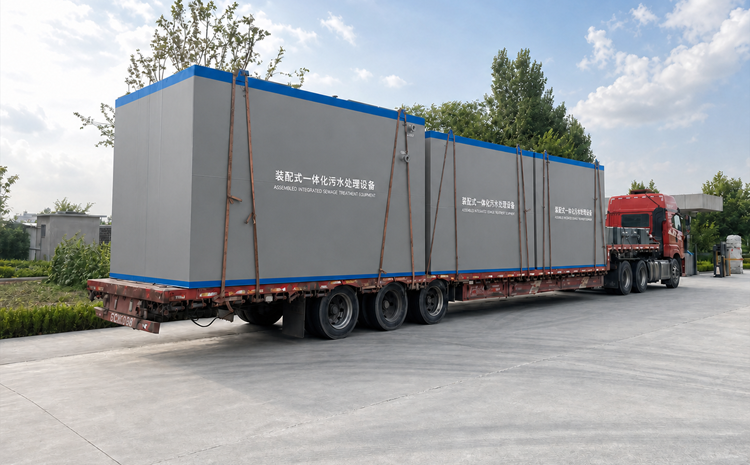
With stable equalization, suitable pretreatment, and disciplined operating records, integrated wastewater treatment equipment can handle the variable wastewater conditions found in food processing facilities.