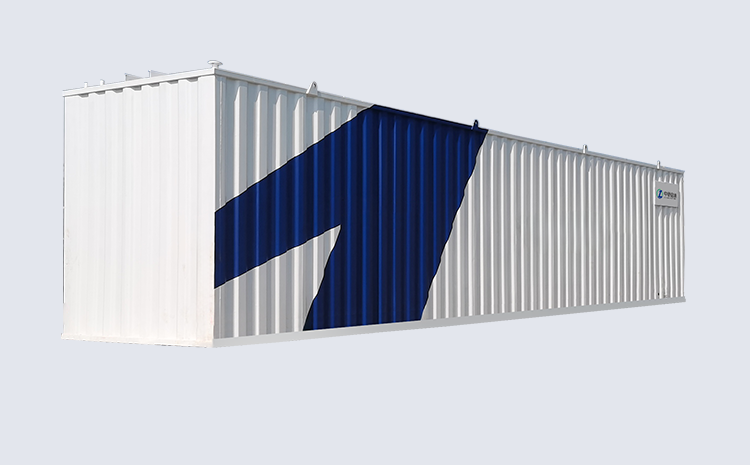
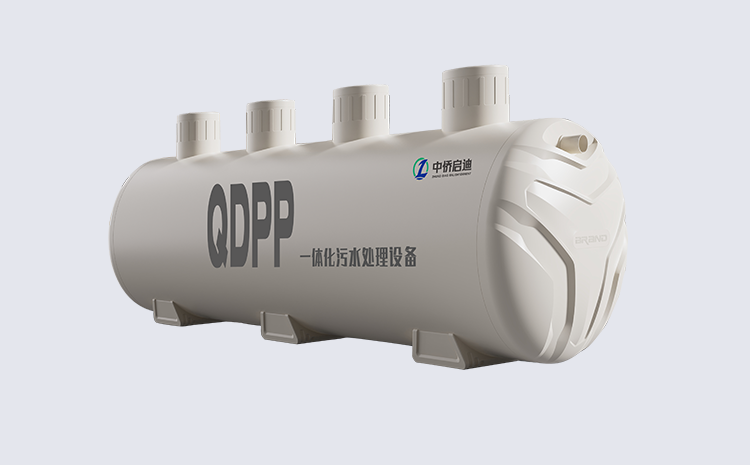
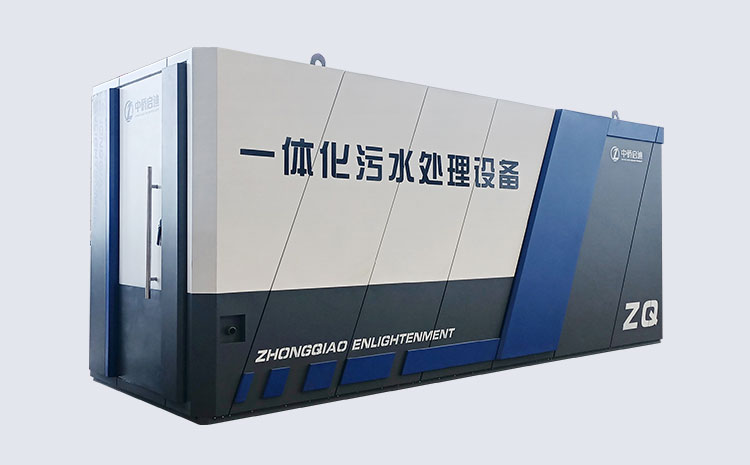
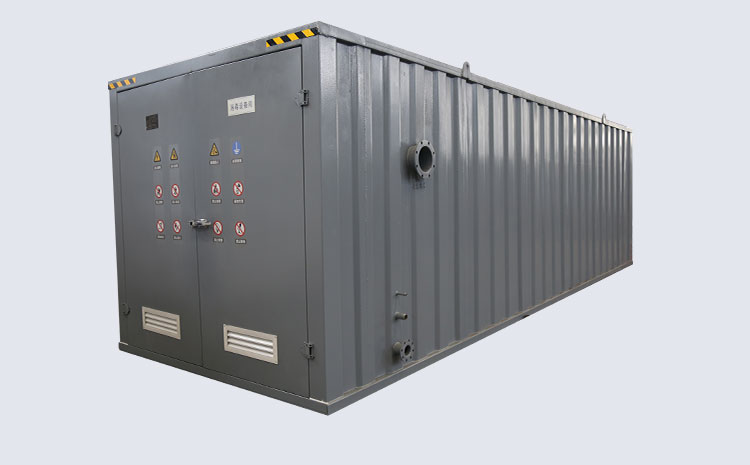
Schools produce domestic wastewater from restrooms, canteens, dormitories, and cleaning activities. Flow changes between class hours, weekends, and vacations, so integrated wastewater treatment equipment should remain stable under both peak and low-load conditions.
Design work should confirm student and staff numbers, boarding arrangements, canteen operation, daily and hourly flow, seasonal temperature, discharge limits, odor control, and the available maintenance area.
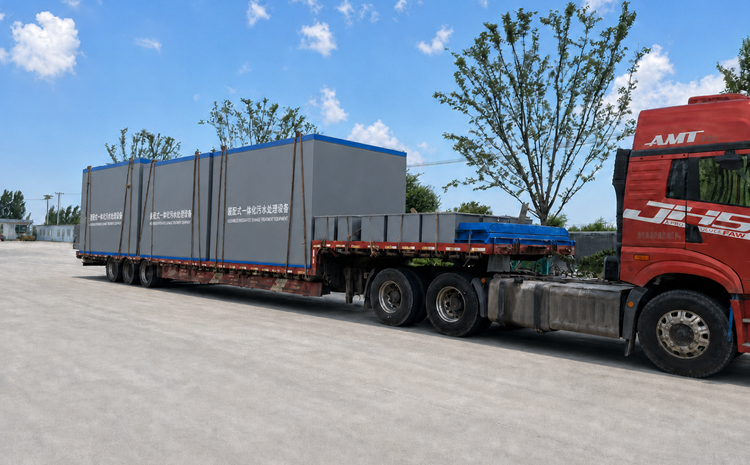
Screening and equalization reduce the effect of wipes, food residue, and short-term hydraulic peaks. During long holidays, operating plans should prevent stagnant wastewater and protect the biological treatment system.
The process may combine anoxic and aerobic treatment, clarification or membrane separation, filtration, and disinfection. Noise control is important when blowers and pumps are installed near classrooms or residences.
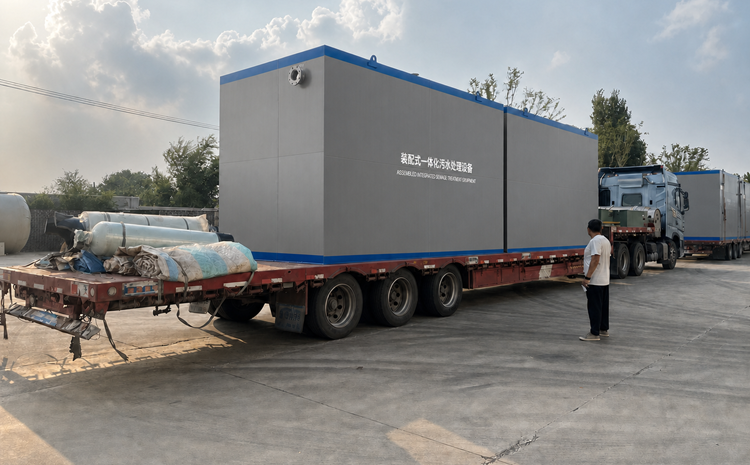
Electrical controls should include clear alarms, automatic pump alternation, and safe manual operation. Locked access, warning signs, ventilation, and protected inspection openings help keep students away from operating equipment.
Operators record flow, dissolved oxygen, sludge condition, equipment current, disinfection status, and effluent quality. Screens, pumps, air filters, and chemical dosing systems require routine inspection.
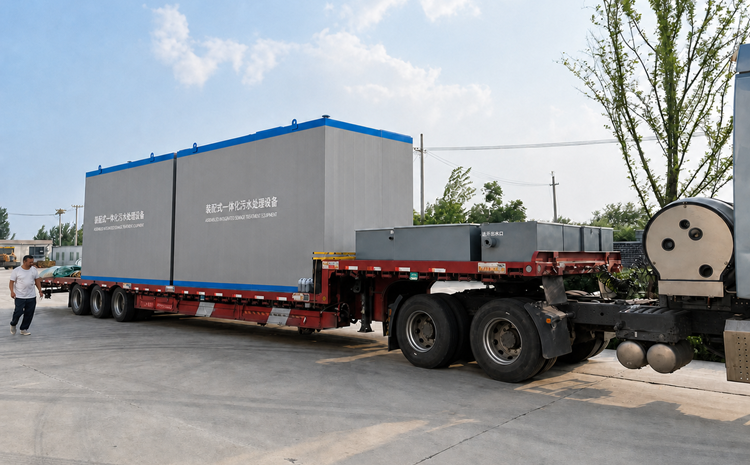
With suitable equalization, holiday operating procedures, and dependable safety controls, integrated wastewater treatment equipment can provide stable wastewater service for school campuses.