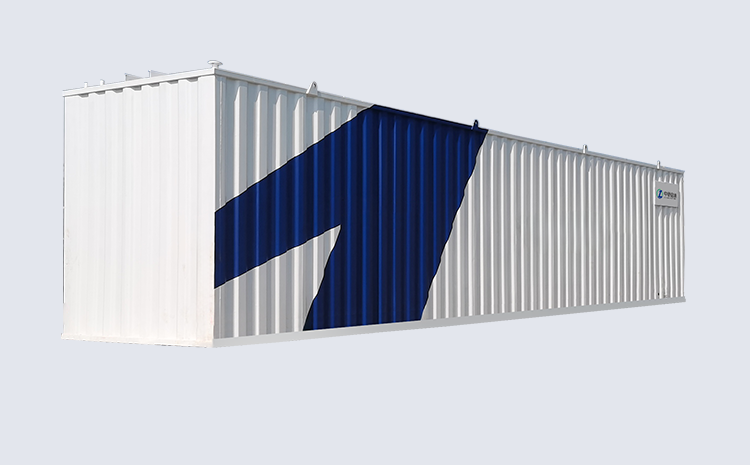
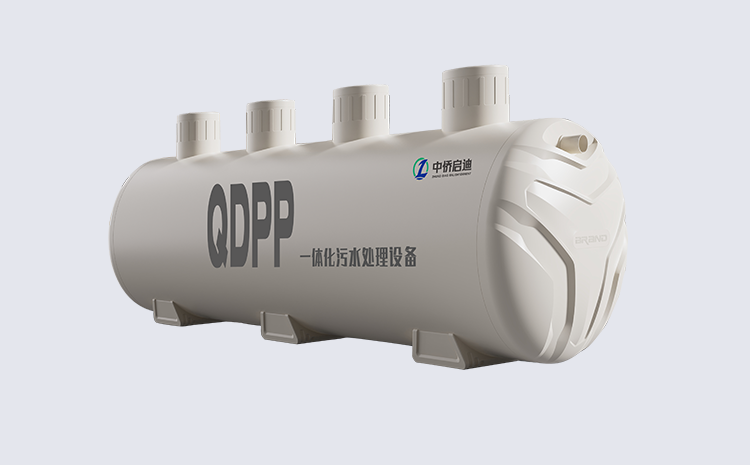
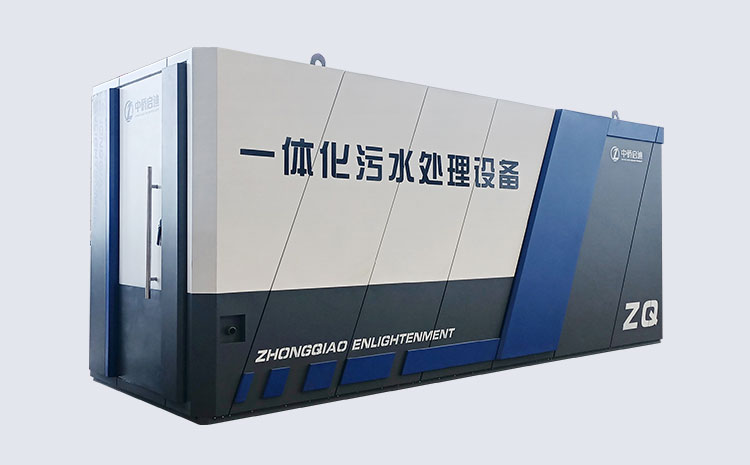
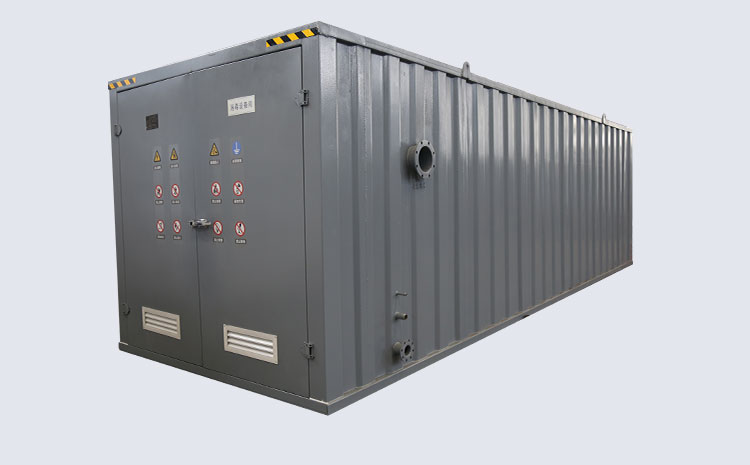
Small hospitals and clinics generate sanitary wastewater together with flows from wards, laundries, kitchens, and cleaning activities. Integrated wastewater treatment equipment can provide a compact treatment route when the site has limited space and needs dependable daily operation.
Project design should confirm bed capacity, staff and visitor numbers, peak flow, laundry operation, wastewater segregation requirements, local discharge limits, disinfection needs, odor control, and standby power conditions.
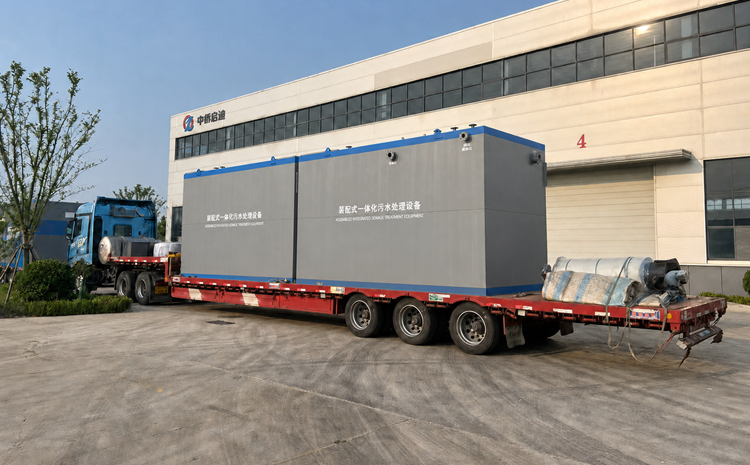
Screening and equalization reduce solids and hydraulic fluctuations before biological treatment. Waste streams that require separate collection or specialized handling should remain outside the general domestic wastewater line according to the approved project design.
The treatment process may combine anoxic and aerobic stages, clarification or membrane separation, filtration, and controlled disinfection. Pumps, blowers, and dosing equipment should include practical standby arrangements.
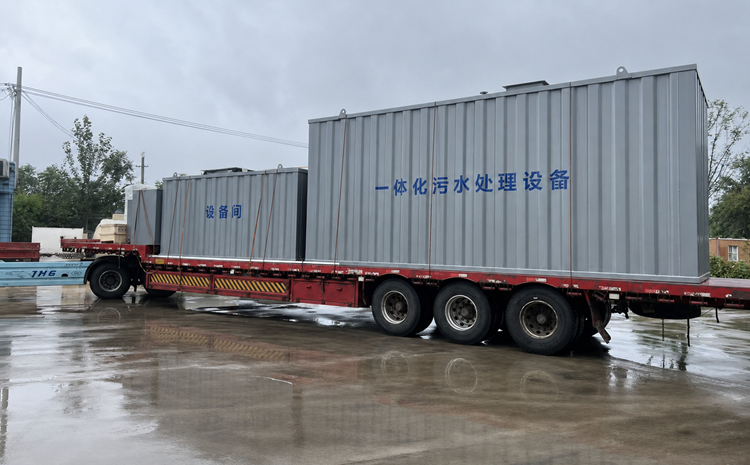
Operators monitor flow, pH, dissolved oxygen, sludge condition, equipment current, disinfectant dosing, alarms, and effluent quality. Access to tanks and controls should be restricted to trained personnel.
Routine maintenance includes cleaning screens, checking pumps and air filters, inspecting dosing lines, confirming ventilation, and testing high-level and equipment-fault alarms.
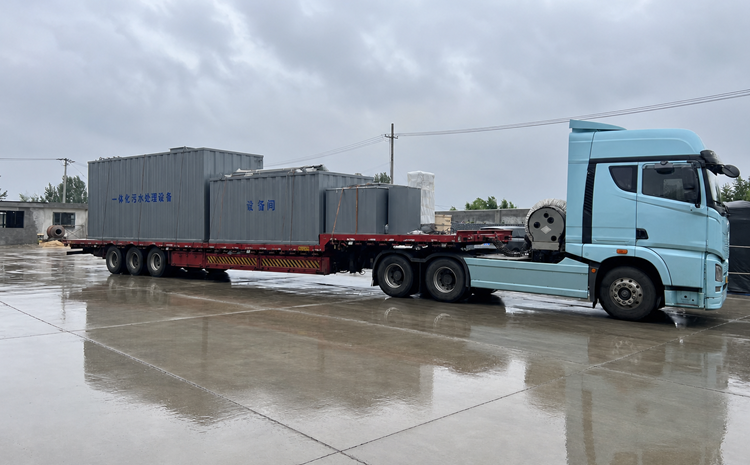
With suitable pretreatment, reliable controls, and operation consistent with the approved local requirements, integrated wastewater treatment equipment can support stable wastewater management at small healthcare facilities.