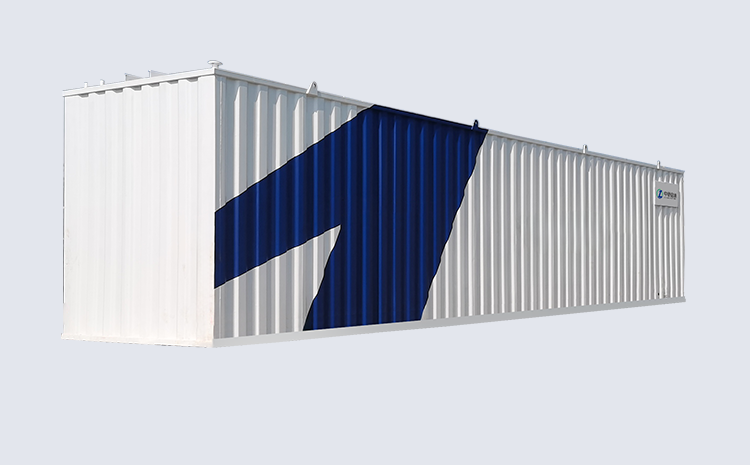
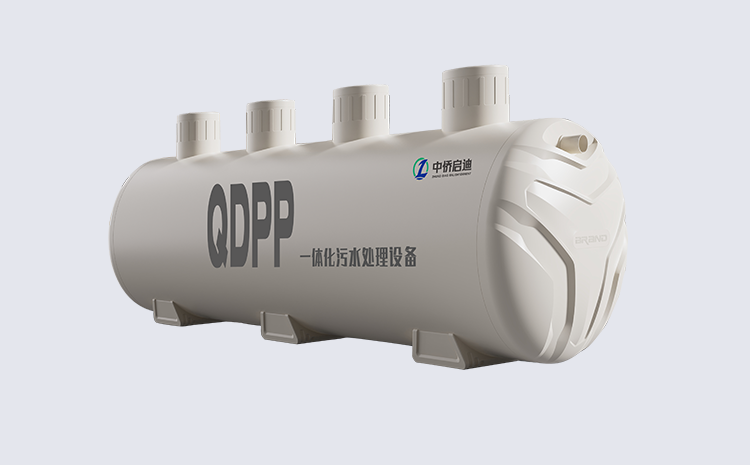
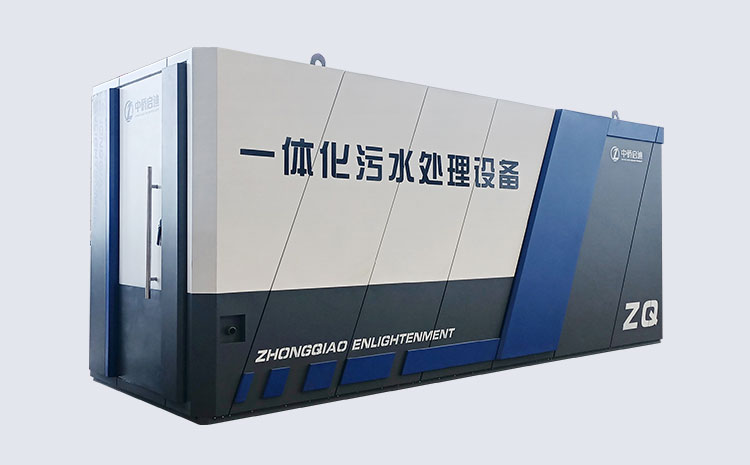
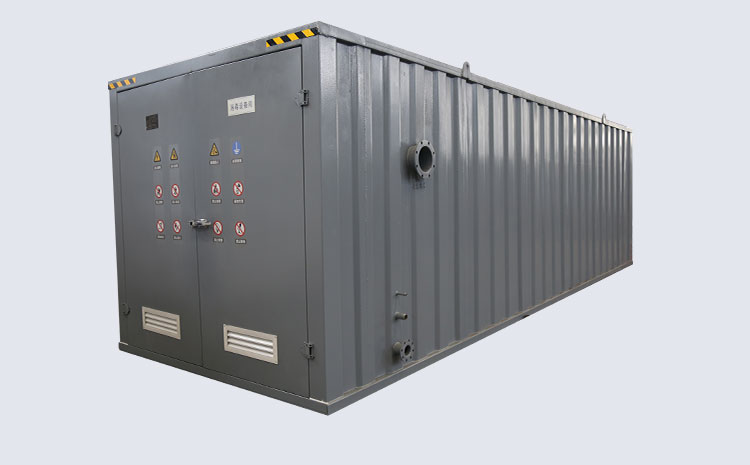
Apartment communities generate domestic wastewater from kitchens, bathrooms, laundry, and shared facilities. Integrated wastewater treatment equipment can serve developments that need a compact treatment system and have limited space for civil construction.
Design work should confirm resident numbers, occupancy variation, peak-hour flow, kitchen wastewater characteristics, sewer conditions, discharge or reuse targets, odor control, noise limits, and access for maintenance.
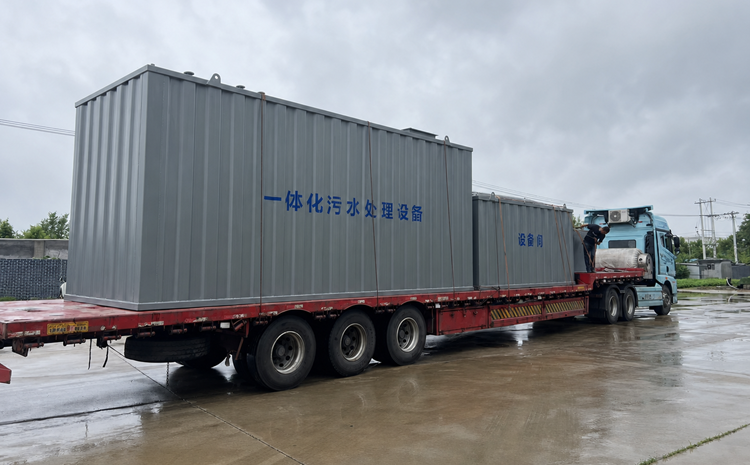
Screening, grease control, and equalization help protect downstream treatment from wipes, food residue, and short hydraulic peaks. The equalization volume and pump controls should accommodate morning and evening flow patterns.
The process may combine anoxic and aerobic treatment, clarification or membrane separation, filtration, and disinfection. Standby capacity for pumps and blowers supports continued operation during routine maintenance.
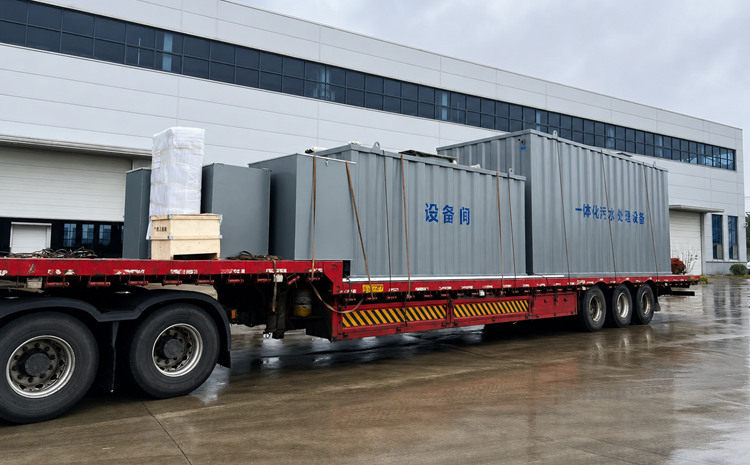
Equipment layout should provide ventilation, safe inspection access, noise and vibration control, clear pipe labels, and protected electrical controls. Odor collection points require regular inspection for leaks and blockage.
Operators record flow, dissolved oxygen, sludge condition, equipment current, alarms, and effluent quality. Screens, pumps, air filters, dosing lines, and level instruments need planned maintenance.
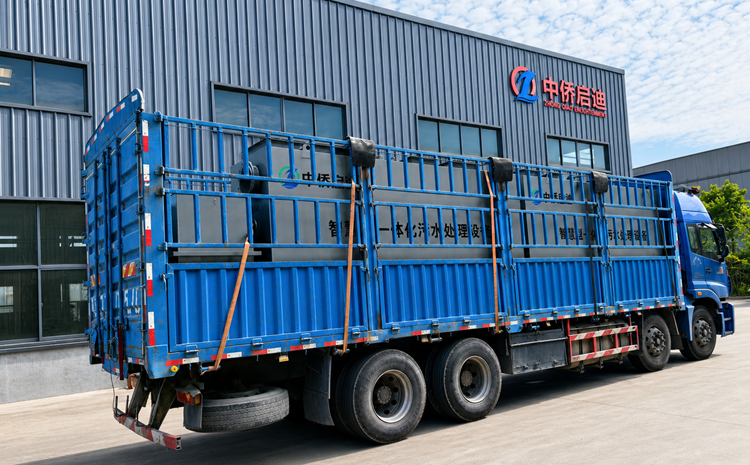
With suitable equalization, dependable controls, and disciplined inspection, integrated wastewater treatment equipment can provide stable service for apartment communities with predictable daily flow peaks.