Campsites and recreational vehicle parks generate domestic wastewater from restrooms, showers, laundries, food-service areas, and vehicle connections. Occupancy can change quickly between ordinary weekdays, weekends, and holiday seasons.
Design work should confirm the number of pitches, peak guests, shower demand, kitchen wastewater, seasonal closure, discharge or reuse targets, power conditions, odor control, and access for maintenance vehicles.
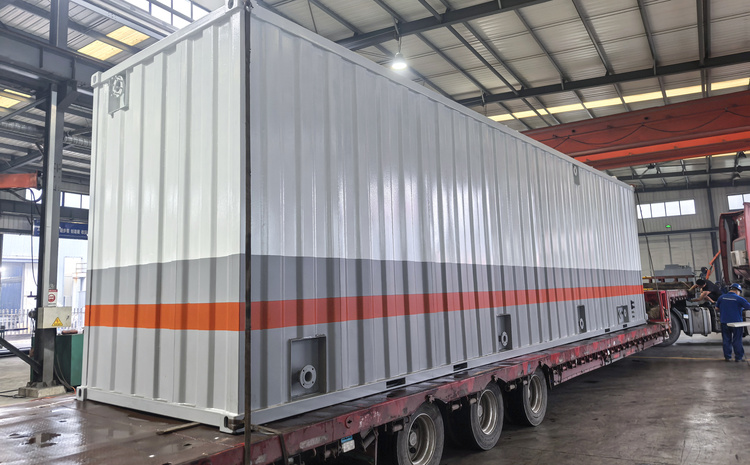
Screening, grease control, and equalization protect downstream treatment from wipes, food residue, and short hydraulic peaks. Holding and transfer arrangements for RV wastewater should prevent uncontrolled shock loads.
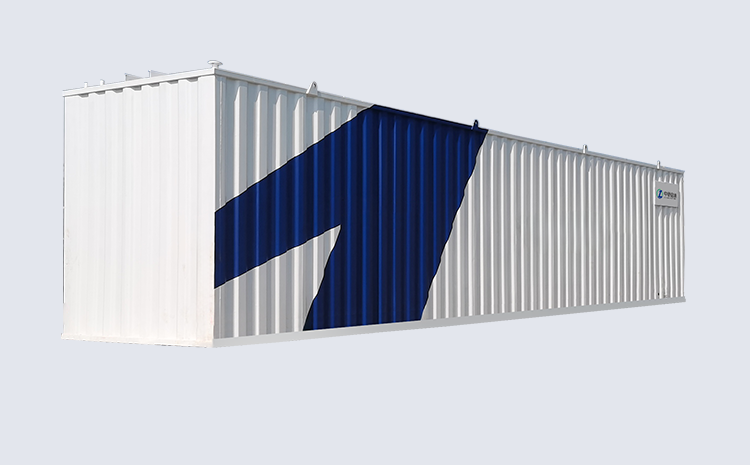
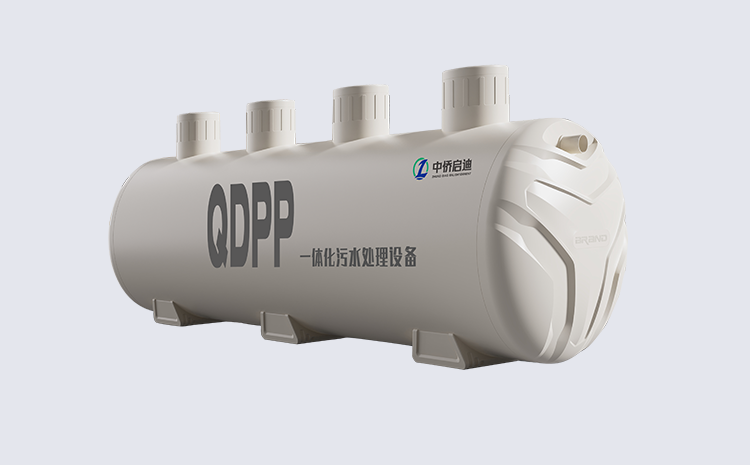
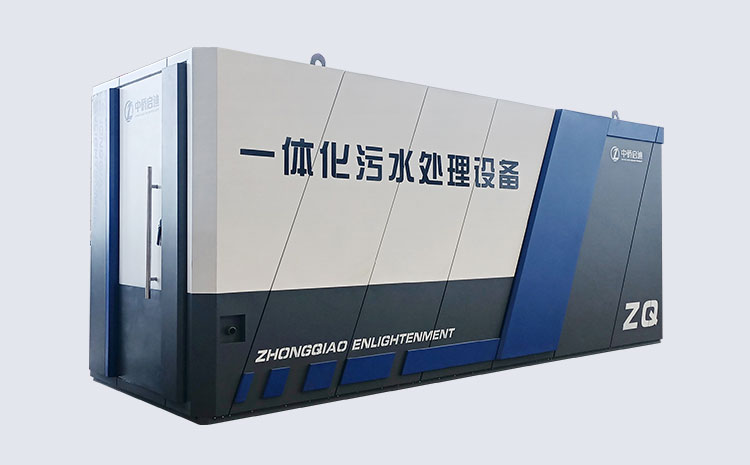
Integrated equipment may combine anoxic and aerobic treatment, clarification or membrane separation, filtration, and disinfection. Pumps and blowers should support alternating operation and low-season control modes.
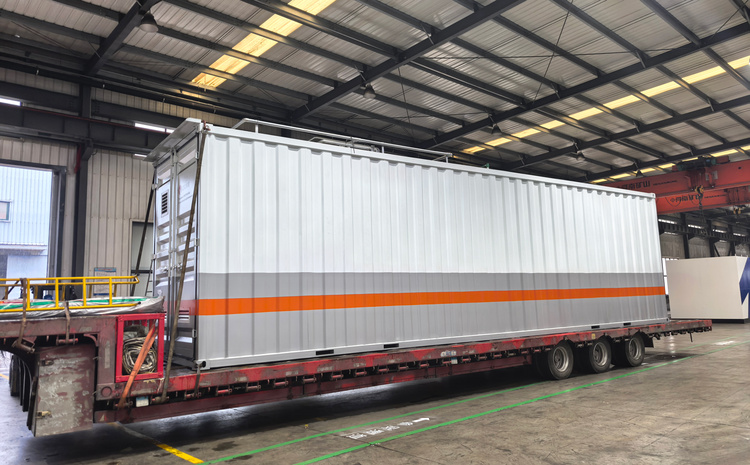
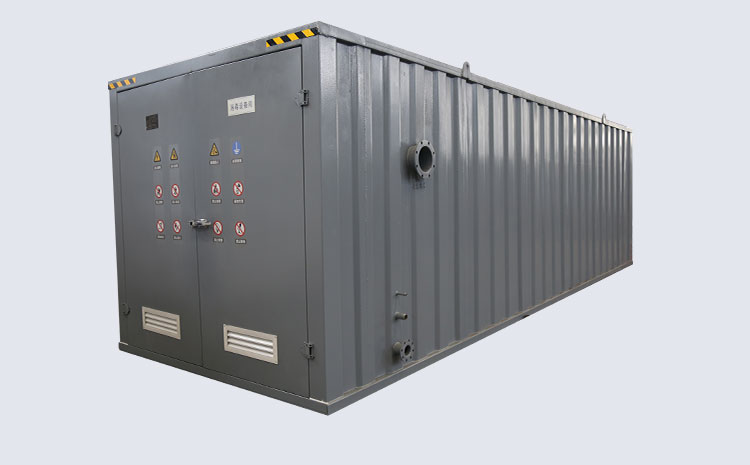
The installation should provide safe access, ventilation, noise control, protected electrical panels, and clear operating signs. Tank openings and treatment areas need barriers where guests could approach them.
Operators record flow, dissolved oxygen, sludge condition, equipment current, alarms, and effluent quality. Screens, pumps, air filters, dosing lines, and level instruments require scheduled inspection.
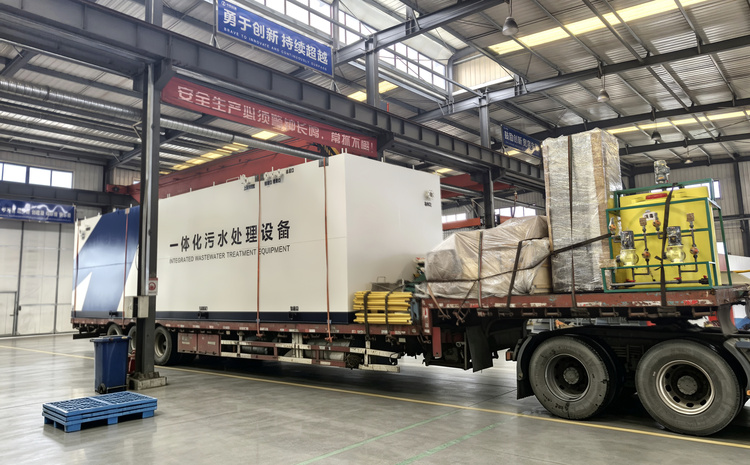
With suitable equalization, seasonal operating adjustments, and reliable controls, integrated wastewater treatment equipment can provide stable service for campsites and RV parks with changing occupancy.