Sports facilities generate wastewater from restrooms, locker rooms, showers, cleaning activities, food-service areas, and occasional events. Flow may remain low on ordinary days and rise sharply before and after competitions.
Design work should confirm seating capacity, athlete and staff numbers, event schedules, shower demand, food-service wastewater, discharge or reuse targets, power conditions, noise limits, and maintenance access.
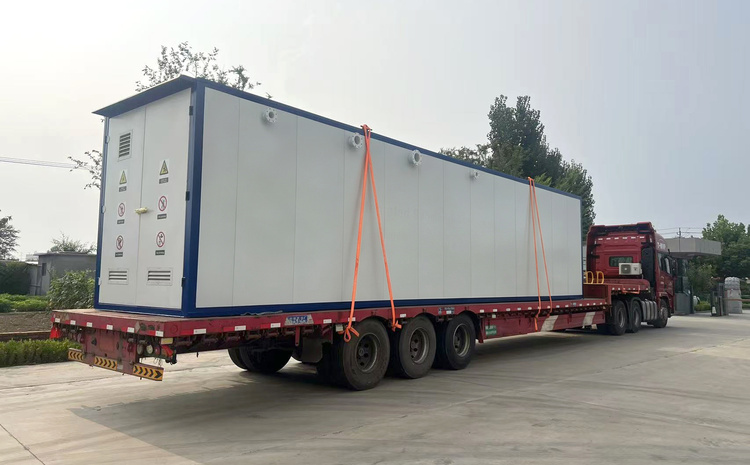
Screening, grease control, and equalization protect downstream treatment from wipes, food residue, and short hydraulic peaks. Equalization pumps should respond smoothly to event-driven flow without overloading the biological process.
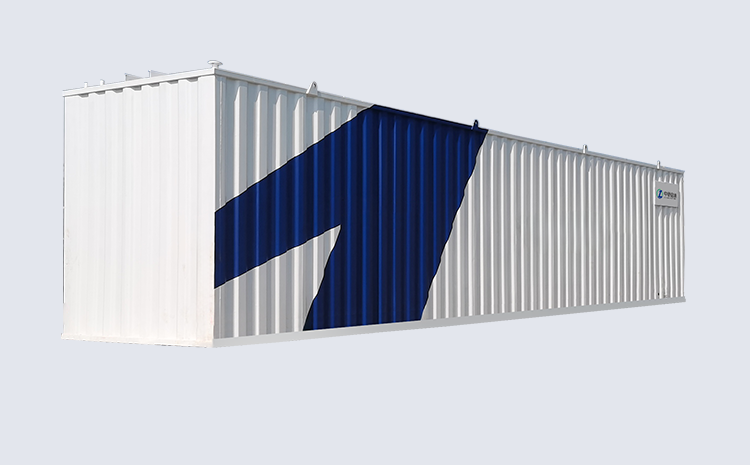
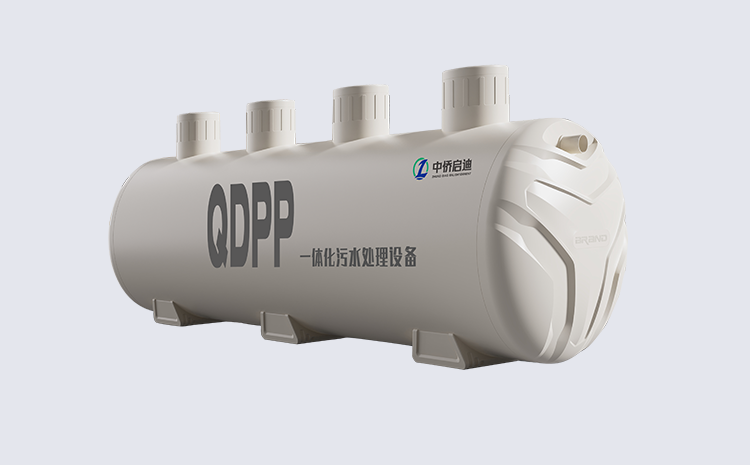
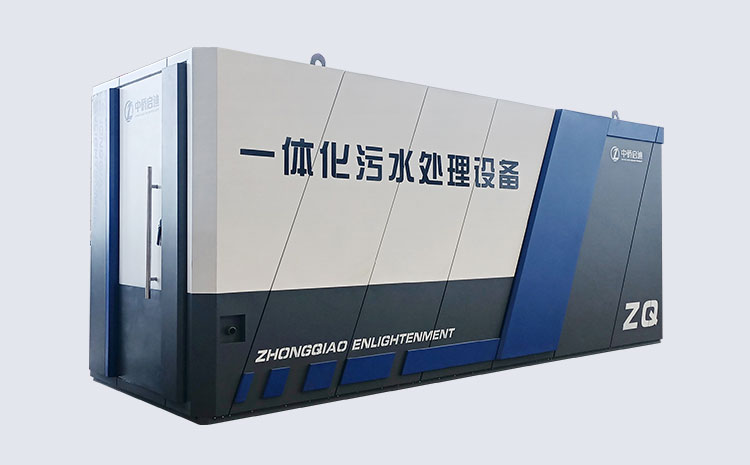
Integrated equipment may combine anoxic and aerobic treatment, clarification or membrane separation, filtration, and disinfection. Standby pumps and blowers support service during routine maintenance.
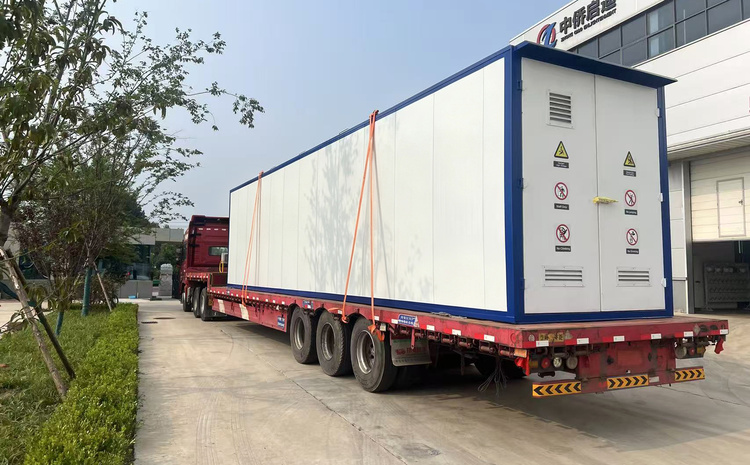
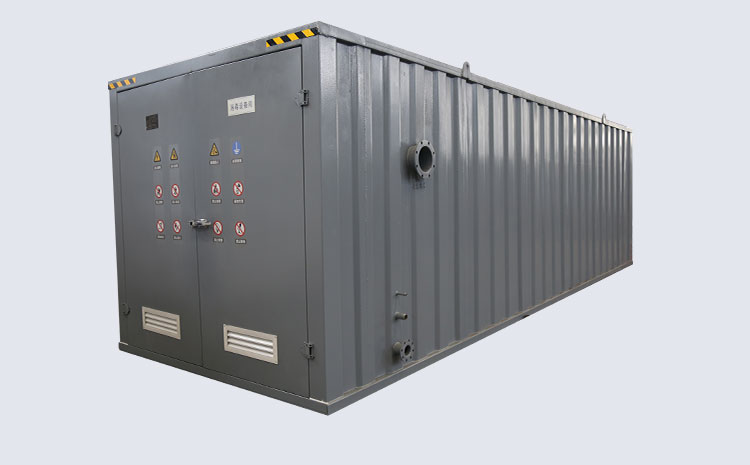
The layout should provide ventilation, noise and vibration control, safe inspection access, protected electrical panels, and clear pipe labels. Treatment areas must remain separated from public circulation.
Operators record flow, dissolved oxygen, sludge condition, equipment current, alarms, and effluent quality. Screens, pumps, air filters, dosing lines, and level instruments need planned maintenance before major events.
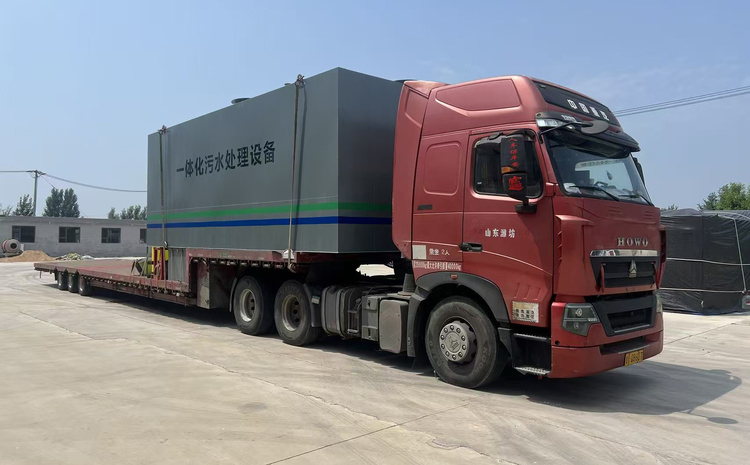
With suitable equalization, event-based operating plans, and reliable controls, integrated wastewater treatment equipment can provide stable service for sports facilities with highly variable attendance.