Treatment Where Infrastructure Is Limited
Remote facilities often face conditions that are very different from urban wastewater plants. Sewer networks may be unavailable, power supply may be limited, access roads may restrict transport, and trained operators may not be present every day. Scenic areas, construction camps, rural stations, service areas, temporary projects, and isolated communities therefore need equipment that is compact, understandable, and suited to local maintenance resources.
ZhongQiao Enlightenment plans remote-site wastewater equipment around the complete operating environment. Flow pattern, seasonal use, low temperature, altitude, transport size, installation machinery, spare parts, sludge disposal, communication signals, and treated-water destination can all influence the design.
Modular and Containerized Configurations
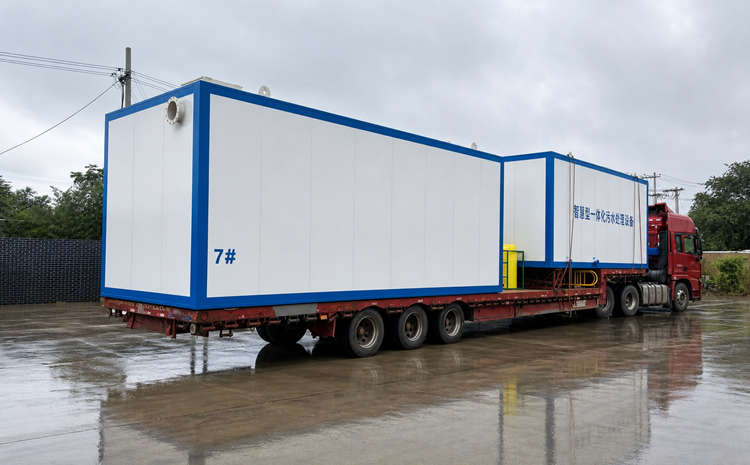
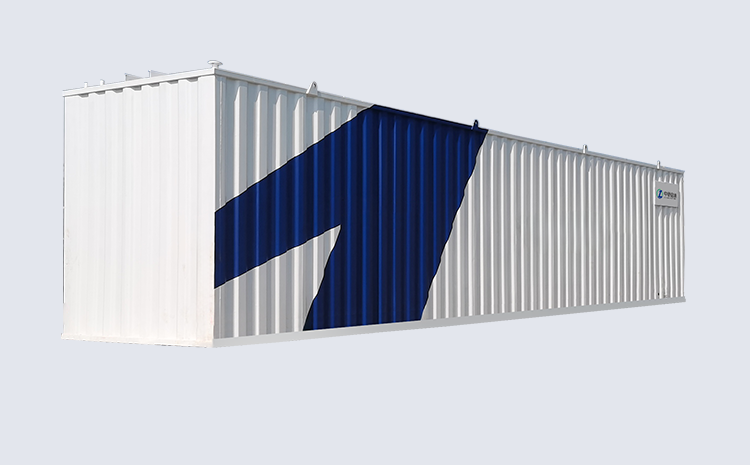
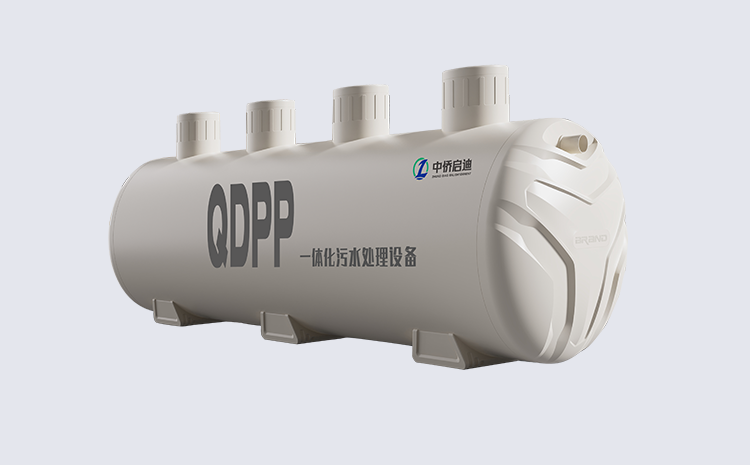
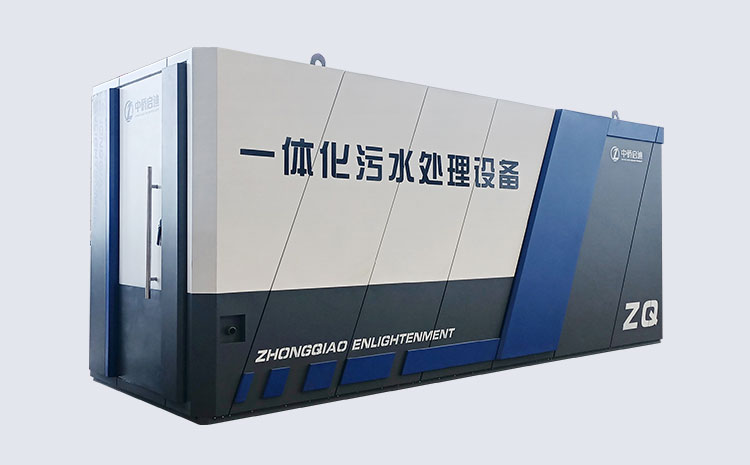
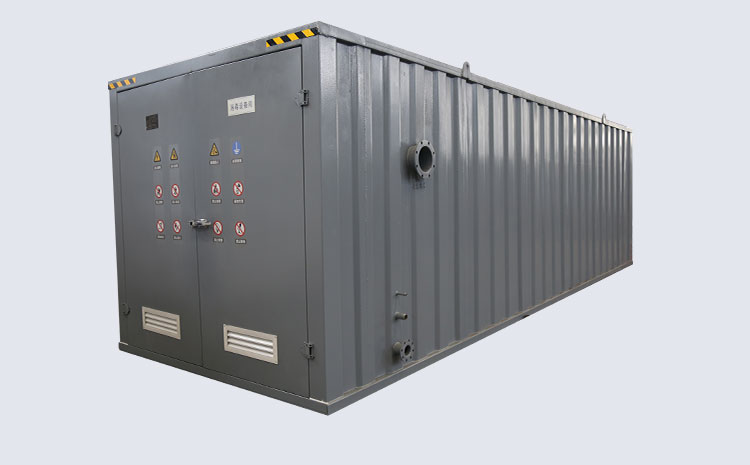
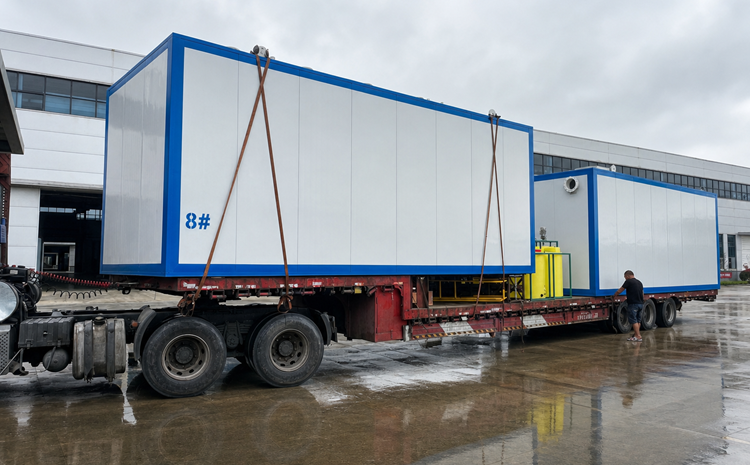
A modular system divides the treatment process into transportable units that can be connected at the site. A containerized arrangement can integrate tanks, pipelines, mechanical equipment, and controls within a protected enclosure. These approaches can shorten site installation and make phased expansion easier, but transport dimensions and lifting conditions must be confirmed early.
The equipment layout should provide enough internal space for inspection and safe replacement of pumps, blowers, membranes, and instruments. Compact design must not make maintenance impossible. Ventilation, heat dissipation, noise, odor, lighting, drainage, and emergency access are especially important when equipment is installed inside an enclosure.
Managing Variable and Seasonal Flow
Remote sites may operate at full capacity during holidays, construction periods, or tourist seasons and then receive very little wastewater at other times. Equalization helps manage daily peaks, while process control can adjust pump and blower schedules to actual demand. Biological treatment must also remain viable during low-load periods.
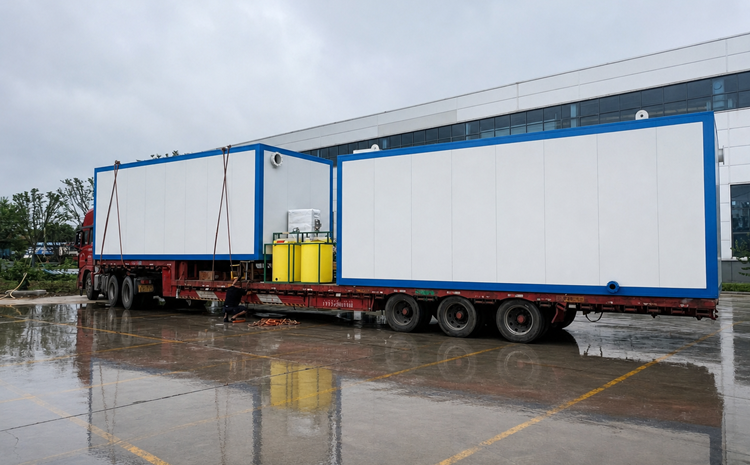
For highly intermittent use, the design may require staged modules, recirculation, controlled feeding, or a defined restart plan. ZhongQiao Enlightenment considers how the system will move between low, normal, and peak operation rather than sizing equipment only for a single design flow.
Automation with Practical Oversight
Automatic level control, equipment alternation, fault alarms, and remote status reporting can reduce routine workload. Useful monitoring points may include tank level, pump status, blower status, pressure, dissolved oxygen, membrane pressure, or effluent indicators according to the process. The control interface should present information clearly so operators can respond without unnecessary complexity.
Remote monitoring does not eliminate the need for site inspection. Screens still need cleaning, sludge must be removed, chemical tanks require replenishment, and mechanical components need maintenance. A practical operating plan should define who receives alarms, who visits the site, what spare parts are stored locally, and how technical support is obtained.
Designing for Local Conditions
Cold climates may require insulation, heating, buried installation, or protection of exposed pipelines. Hot environments require ventilation and attention to electrical equipment. Difficult access may favor smaller modules, while corrosion risk can influence material selection. The treated-water discharge or reuse route must remain compliant with the requirements applicable to the project location.
Reliable remote treatment is achieved by reducing avoidable complexity while preserving the process functions that matter. ZhongQiao Enlightenment combines modular equipment, appropriate biological or physical-chemical treatment, clear controls, and maintainable layouts to support wastewater projects where conventional infrastructure is difficult to build.