A Practical Answer to Decentralized Treatment
Wastewater projects do not always have access to a large treatment plant or an extensive sewer network. Residential communities, hotels, schools, factories, service areas, and rural facilities often need a compact system that can be installed close to the wastewater source. Integrated wastewater treatment equipment brings the main process units together in one coordinated structure, helping the project reduce site work while maintaining a complete treatment pathway.
ZhongQiao Enlightenment develops equipment around the actual influent, treatment capacity, site conditions, and discharge objective. Instead of treating tank volume as the only selection factor, the design considers flow variation, organic loading, suspended solids, nitrogen requirements, odor control, sludge management, and operator capability. This system-level approach helps each process stage support the next one.
How the Equipment Is Configured
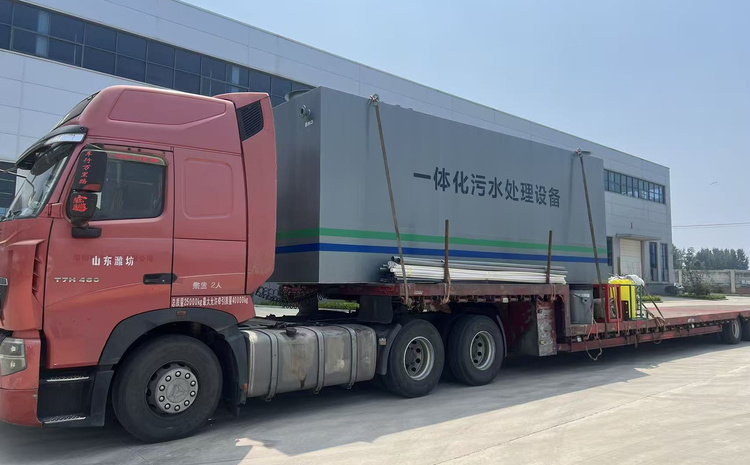
A typical integrated system may include screening, equalization, anoxic treatment, aerobic treatment, sedimentation or membrane separation, disinfection, and sludge storage. The exact combination depends on wastewater characteristics. Domestic sewage with good biodegradability may use a streamlined biological process, while wastewater containing oil, fibers, or high suspended solids may require stronger pretreatment before entering the biological unit.
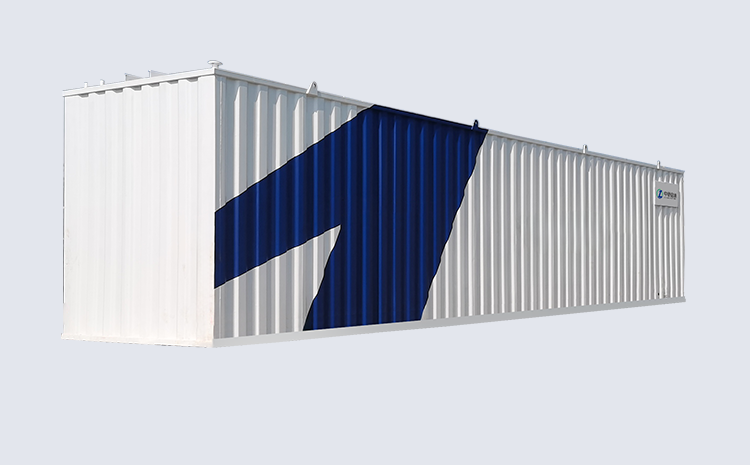
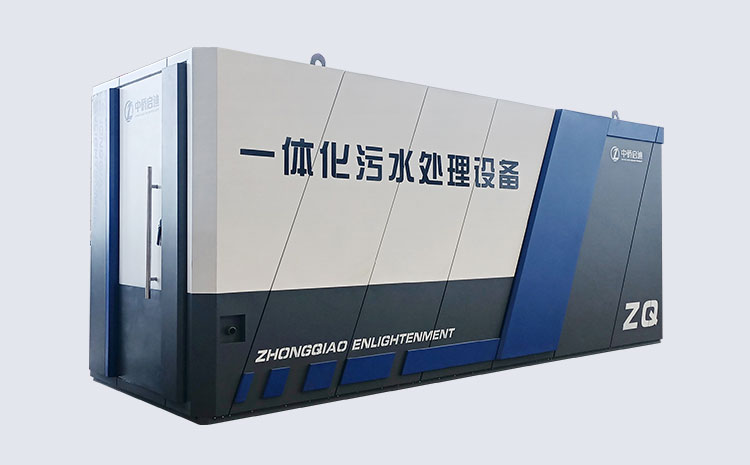
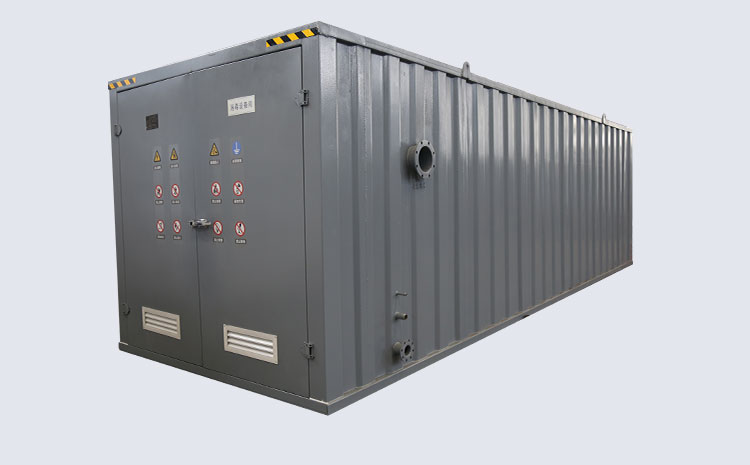
The equipment can be installed above ground, partially buried, fully buried, or arranged in a containerized format. Above-ground layouts simplify inspection and maintenance. Buried layouts can save visible land and reduce their impact on the surrounding landscape. Containerized systems are useful when transport, rapid installation, or future relocation is important. The configuration should always balance appearance with safe access and long-term maintenance.
Equipment Features That Matter
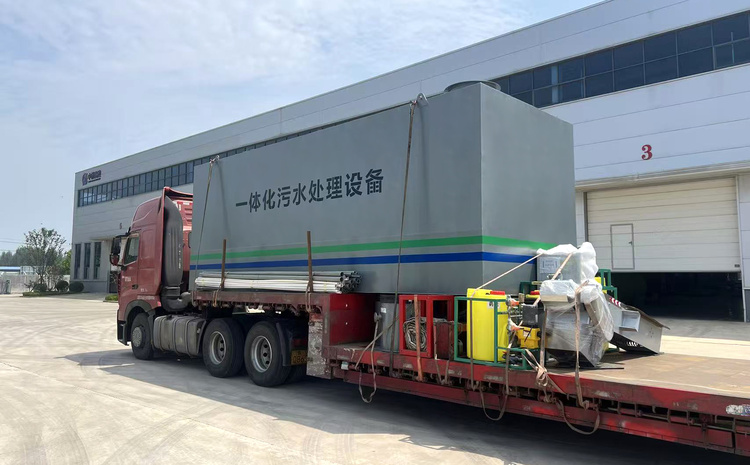
The value of integrated equipment comes from coordinated details rather than a single component. Internal partitions must guide water through the intended process route. Aeration must provide oxygen without excessive energy consumption. Pumps, blowers, dosing units, level controls, and alarms must operate according to a clear control logic. Inspection openings and maintenance space must remain accessible after installation.
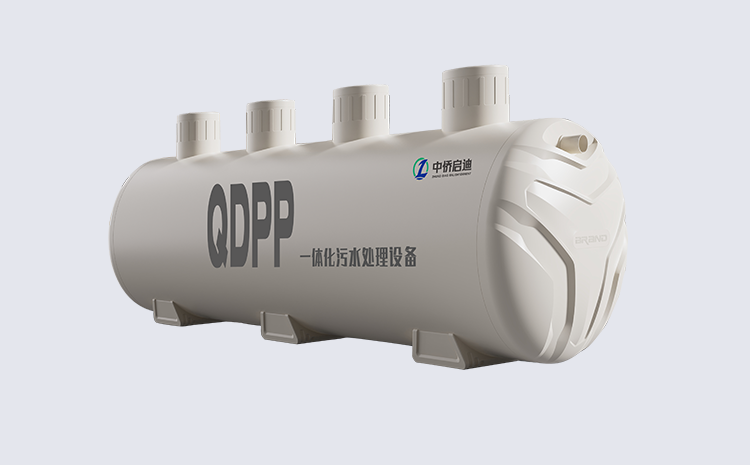
Material selection is equally important. Carbon steel equipment can provide structural strength and flexible fabrication when suitable corrosion protection is applied. Polypropylene equipment can offer corrosion resistance for specific water qualities and operating environments. ZhongQiao Enlightenment evaluates material, reinforcement, transport, and installation requirements together so that the equipment body supports both process performance and service life.
From Delivery to Stable Operation
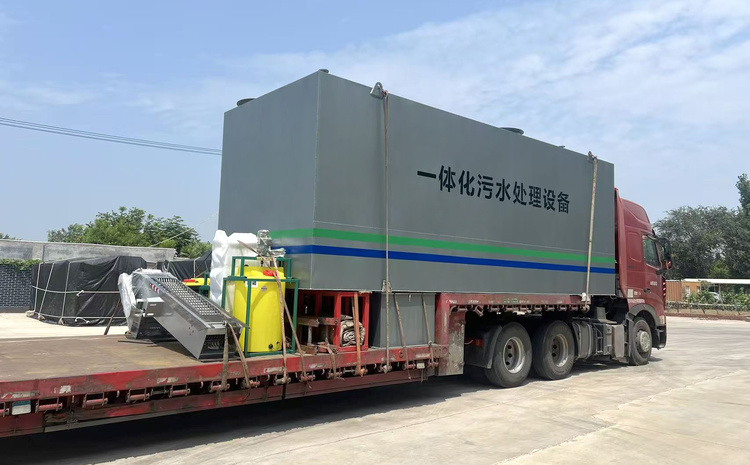
Factory preparation can reduce uncertain work at the project site. Equipment bodies, internal pipelines, supports, and selected mechanical components can be fabricated or preassembled before shipment. At the site, the project team can focus on the foundation, lifting, external pipe connections, power supply, ventilation, and commissioning conditions.
Stable operation still depends on correct startup and routine care. Operators should monitor water levels, aeration, sludge condition, pump status, odor, foam, and effluent appearance. Screens require cleaning, sludge must be removed at suitable intervals, and mechanical equipment needs scheduled inspection. A compact system becomes truly reliable when its technology, manufacturing, installation, and operation are treated as one continuous project.